Art Stroll: 1600 – 1700 Rijksmuseum, Amsterdam

Last month I was lucky enough to go to Amsterdam for a couple days and here is a second Art Stroll from the visit of the Rijksmuseum – this time about the Art from 1600 – 1700

I find a lot of humor in some of the artwork – almost worth making up some memes :)


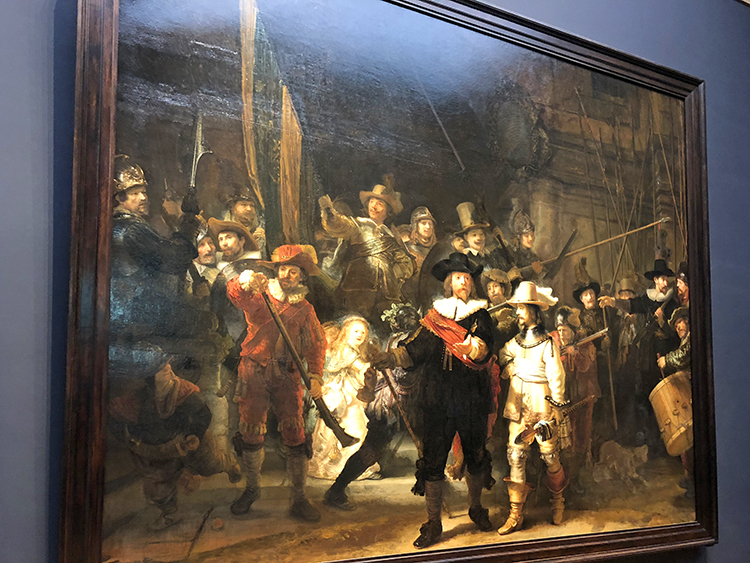
Militia Company of District II under the Command of Captain Frans Banninck Cocq, Known as the ‘Night Watch’, Rembrandt van Rijn, 1642
The only way to take a photo without plugging through other visitors or being obnoxious with a camera. I always try to be very quick and the least distracting for other visitors in a museum when I take a photo after taking the artwork in.

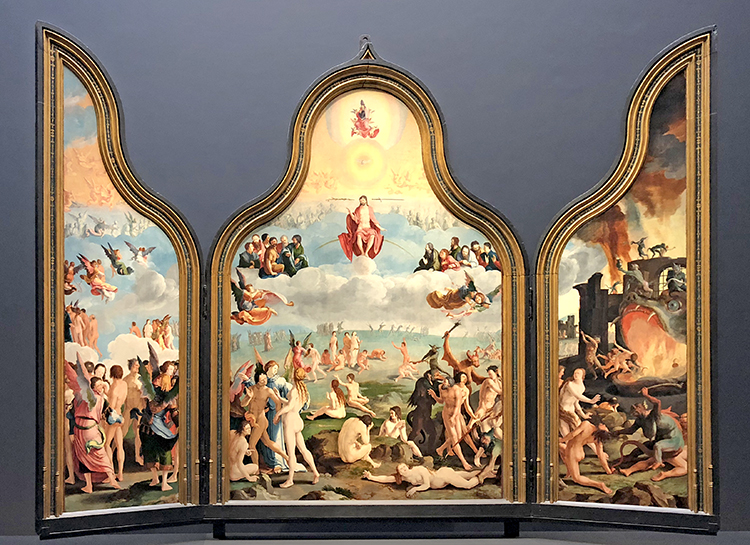
Now- I have no idea why this the triptych below hung in the hall of 1600-1700 – as it is actually an earlier piece- but ..I will show it since it is stunning


It is the end of the world. The dead emerge from their tombs and are judged by Christ, seated on a rainbow in the sky. He consigns the wicked to hell (right), where perpetual fire and terrifying demons await them. The righteous souls may go to heaven (left): a place of color and light. Peter and Paul, the patron saints of Leiden, are set before a grand imaginary landscape on the outer wings of this altarpiece.Triptych with the Last Judgement outer wings: Saints Peter and Paul, Lucas van Leyden, 1526 – 1527

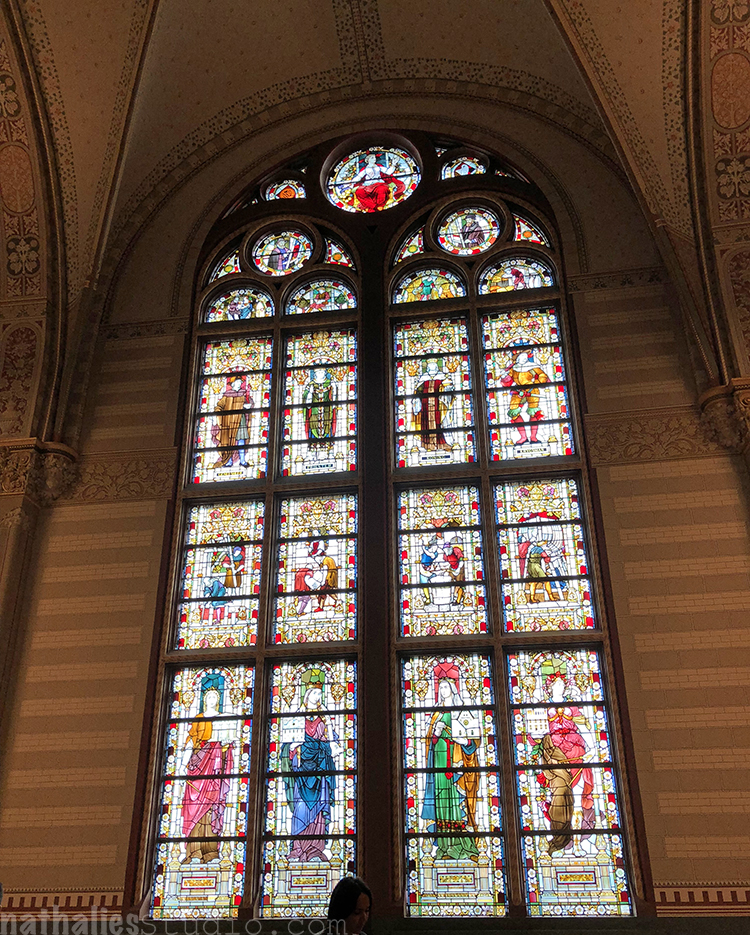
Beautiful window in the hall


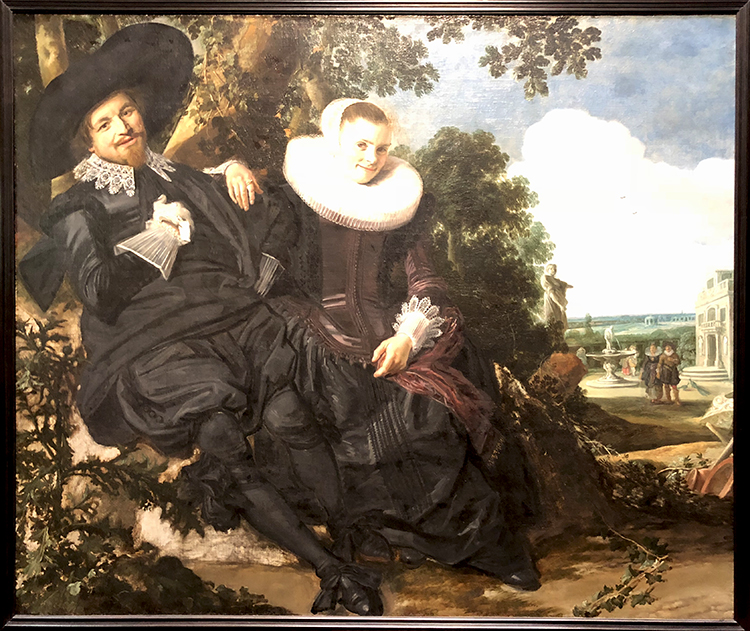
Portrait of a Couple, Probably Isaac Abrahamsz Massa and Beatrix van der Laen, Frans Hals, c. 1622

This happy, smiling pair sits comfortably close to each other. Posing a couple together in this way was highly unusual at the time. It may have been prompted by the sitters’ friendship with the painter and the occasion for the commission – their marriage in April 1622. The painting thus contains references to love and devotion, such as the garden of love at right, and at left an eryngium thistle, known in Dutch as ‘mannentrouw’, or male fidelity.I love the expressions on their faces – you see the painter clearly loved them.

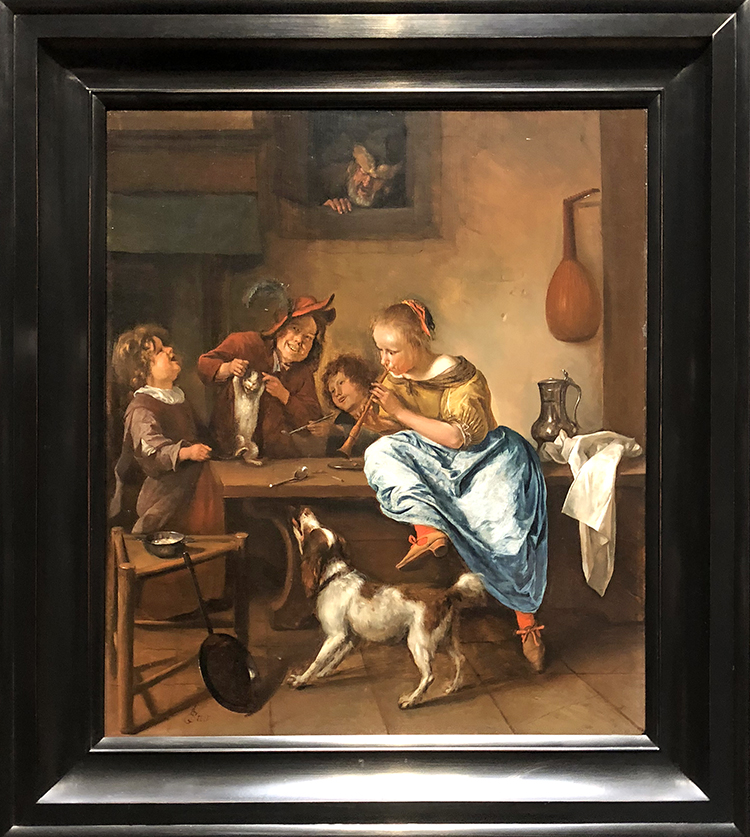
Children Teaching a Cat to Dance, Known as “The Dancing Lesson” Jan Havicksz Steen, 1660-1679, oil on panel

Aweee- poor kitty – I do really hope there was no long posing involved for the poor cat

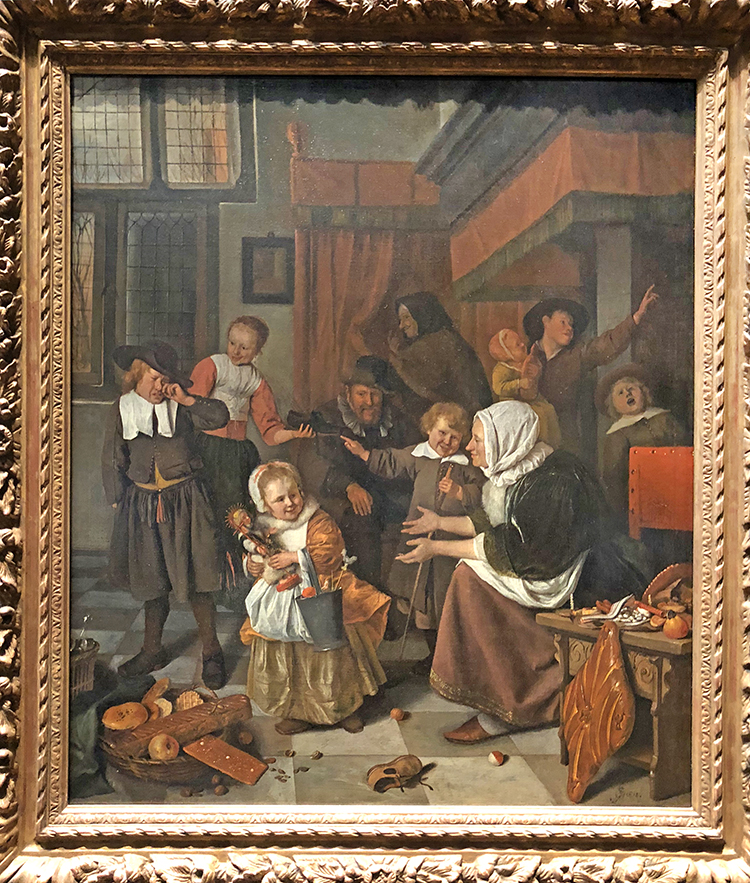
The Feast of St. Nicholas, Jan Havicksz Steen, 1665-1668, oil on canvas

well …guess the boy on the left wasn’t that lucky for St. Nicolas. You usually get a piece of coal and dry twigs if you weren’t good of a kid  …guess why I know ? ;)

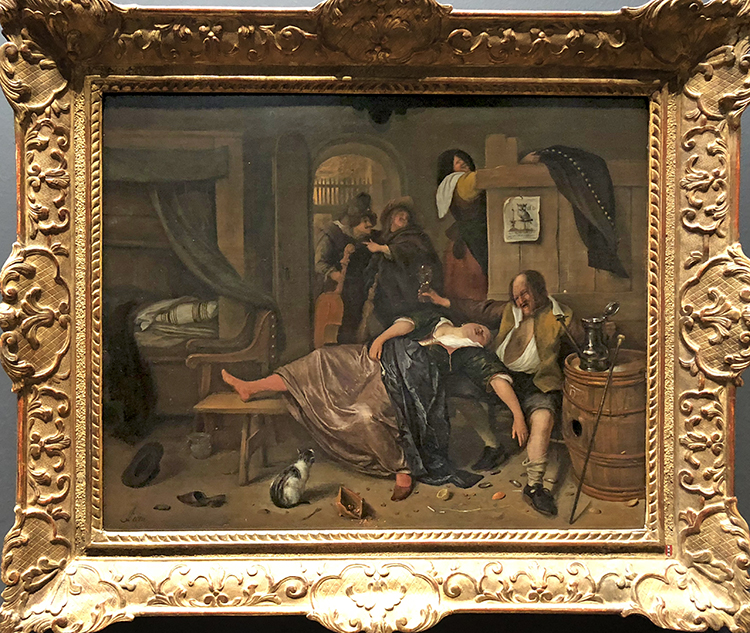
The Drunken Couple, Jan Havicksz Steen, 1655-1665

Of course the cat is just watching the thieves taking their belongings ….LOL

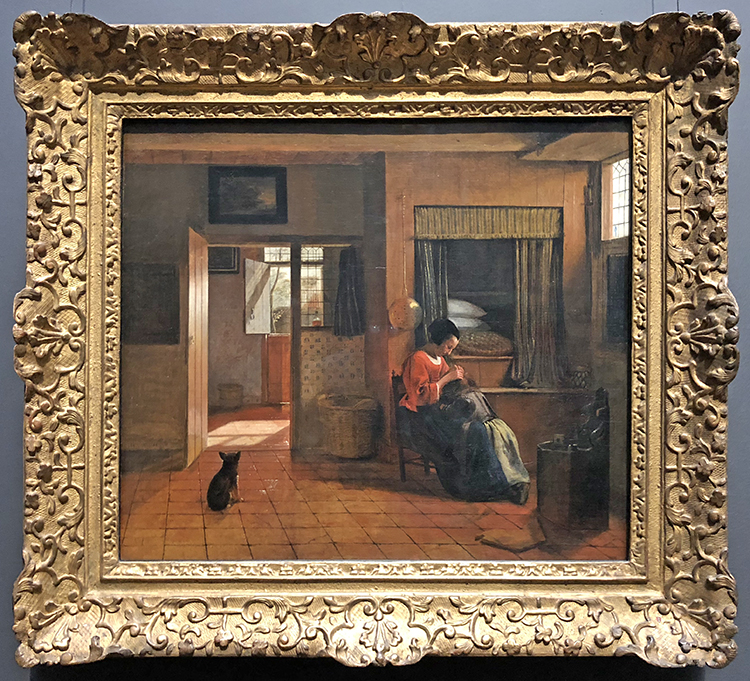
A Mother Delousing her Child’s Hair, Known as “A Mother’s Duty”, Pieter de Hooch, c. 1658-1660, oil on canvas

Oh the joy of being a mother …;)

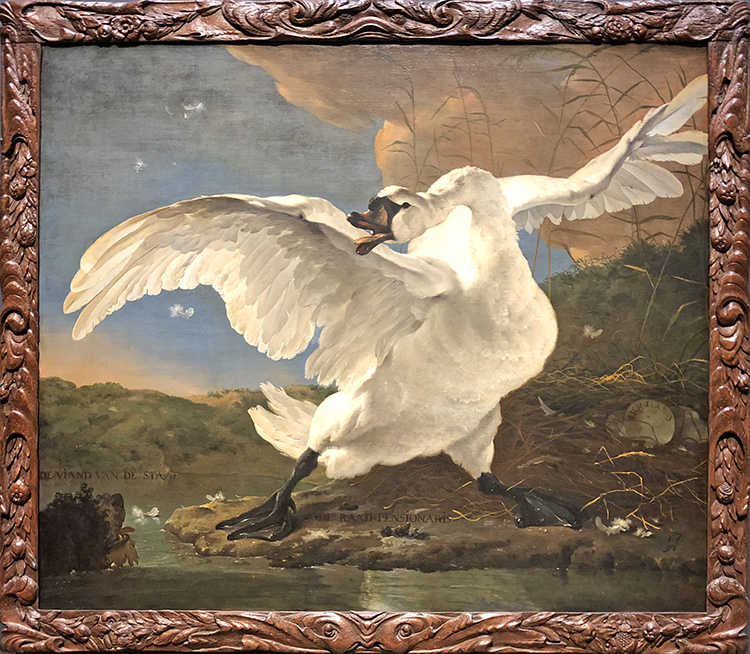
The Threatened Swan, Jan Asselijn, ca. 1650 – oil on canvas

a swan fiercely defends its nest against a dog. In later centuries this scuffle was interpreted as a political allegory; the white swan was thought to symbolize the Dutch statesman Johan de Witt (assassinated in 1672) protecting the country from its enemies. This was the meaning attached to the painting when it became the very fist acquisition the Nationale Kunstgalerij (the forerunner of the Rijksmuseum) in 1880

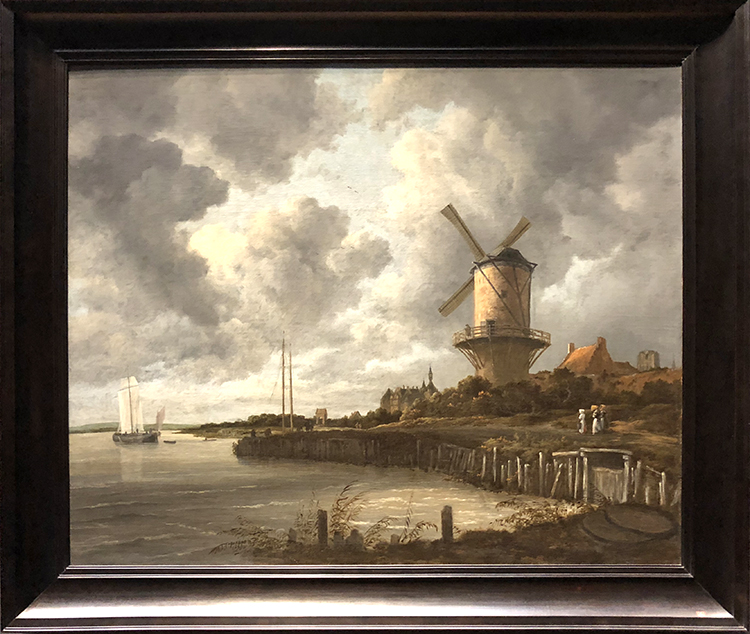
The Windmill at Wijk bij Duurstede, Jacon Isaacksz van Ruisdael, c. 1660 – 1670, oil on canvas

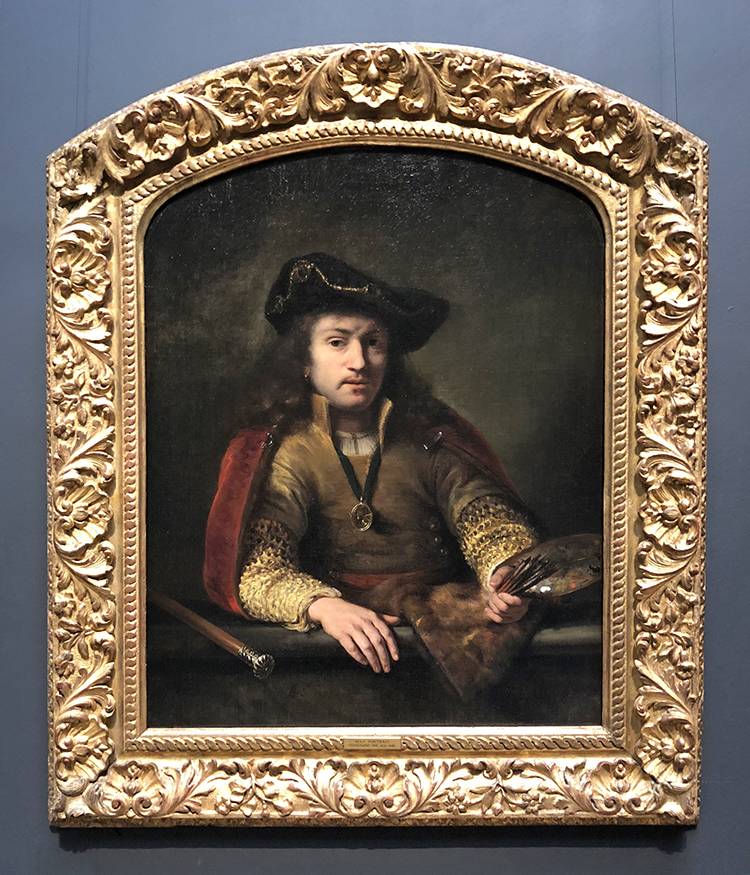
Self-Portrait, Ferdinand Bol , 1653, oil on canvas

Ferdinand Bol was a scholar of Rembrandt. Ever thought about the urge of artists of taking a selfie throughout the centuries? I find it funny that people are so upset that people take selfies with a camera – it is not new, just the tools are different and who actually is capable of doing it.


Comments (4)

  • Laura Weed

    |

    I was blessed to visit the Rijksmuseum in the 1980’s (while the rest of my tour did Anne Frank’s House which was just too much for me) and I was absolutely blown away at the size of some of those paintings I had only ever seen in books before. What an immersive experience. Rembrandt is one of my favorites, and I love looking at the expressions on the faces of the people in the backgrounds. So glad you’re sharing this amazing place!

    Reply

    • nathalie-kalbach

      |

      It is a gorgeous museum and I am glad we went back again – there is just so much to see :)

      Reply

  • Sue Clarke

    |

    Portrait of a Couple is just delightful and so unusual for that time period.
    I don’t believe for a minute that you got coal. LOL
    The frame around the Swan is gorgeous.

    Reply

Leave a comment

Embroidery with Stroll Rubber Stamps

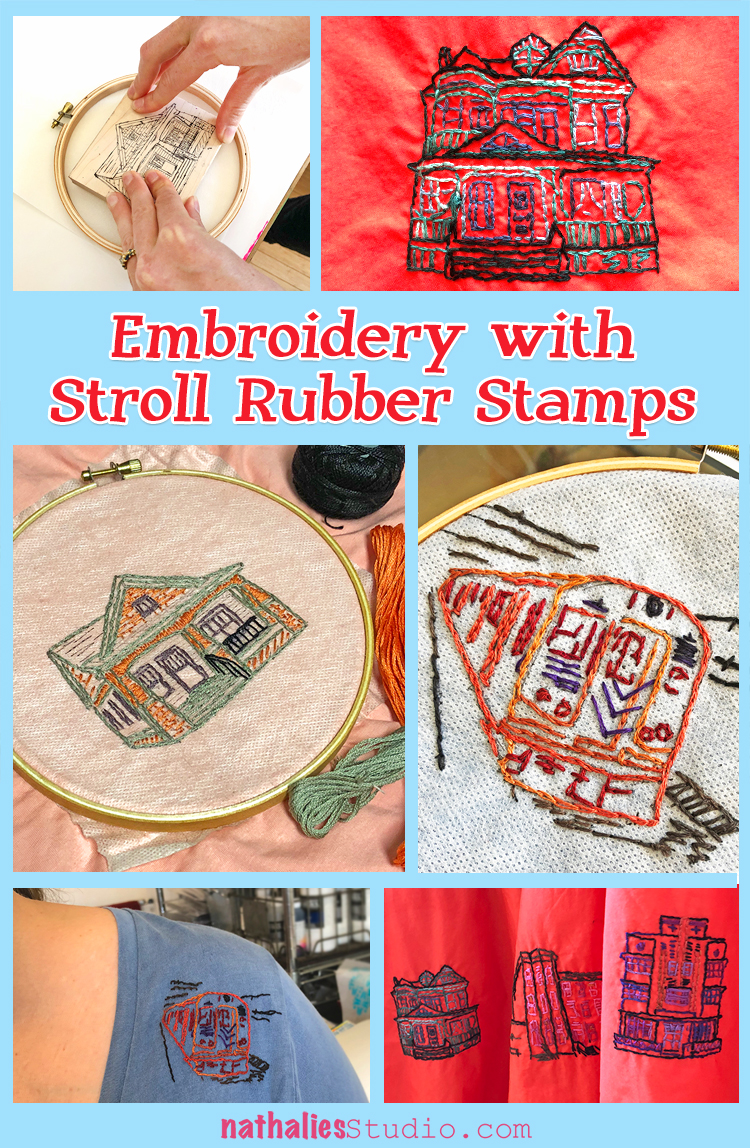
This month my friend Kim and I decided to do an embroidery play date. I am loving this new hobby and it is so nice to settle into a movie at night and do a little bit of embroidery. It’s relaxing, creative, and a fun way to add a personal touch to clothing. Kim and I chose some clothing items to embroider, and went straight to my Stroll Around the Block and Stroll Through the Hood rubber stamps for our designs.

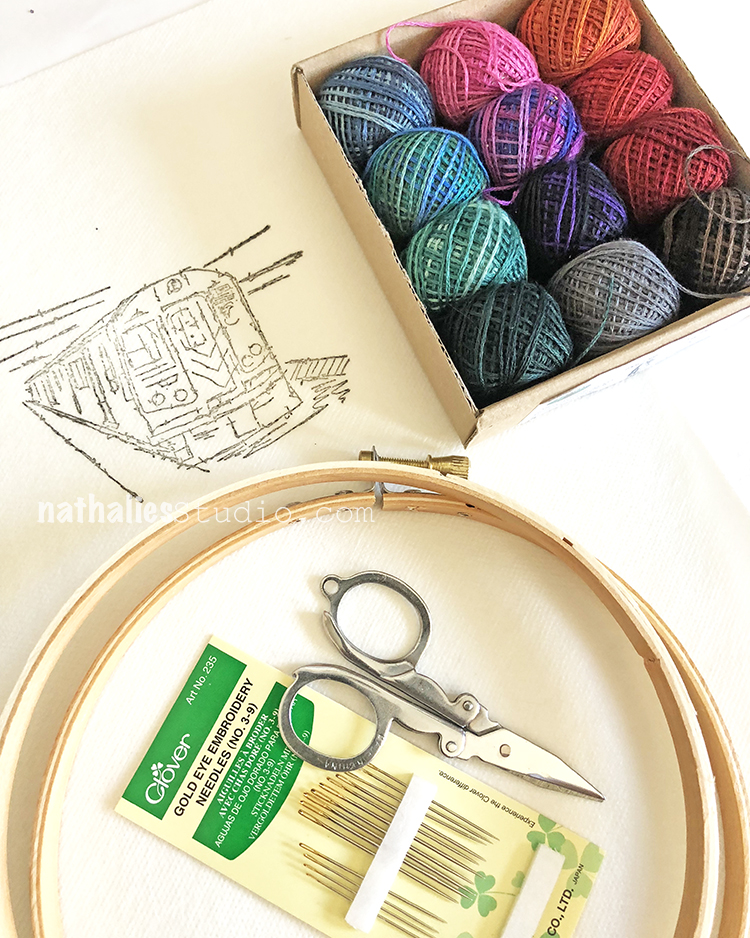
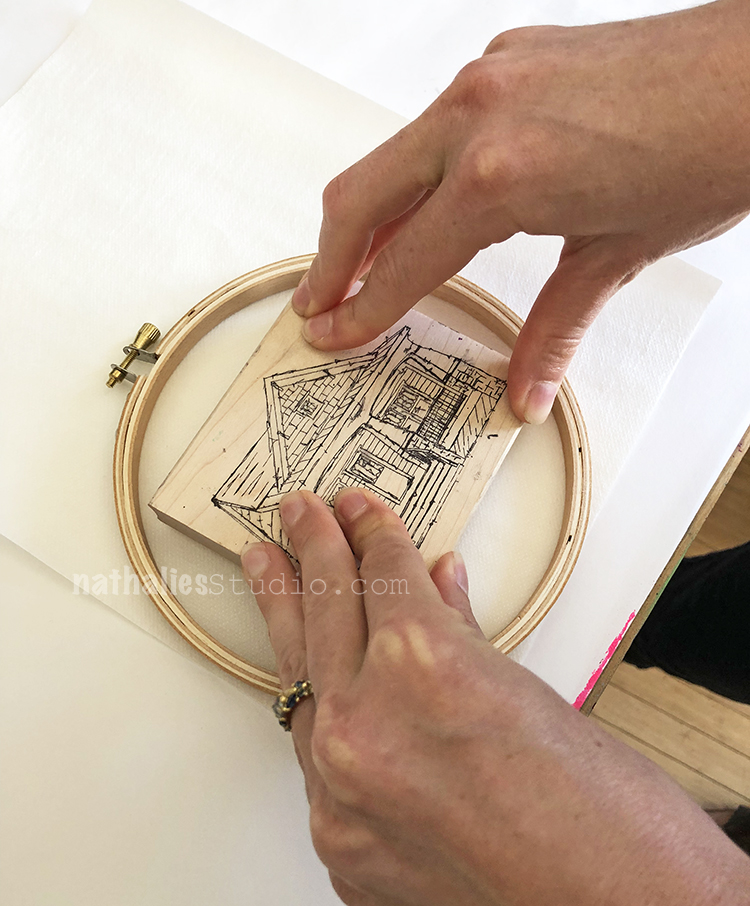
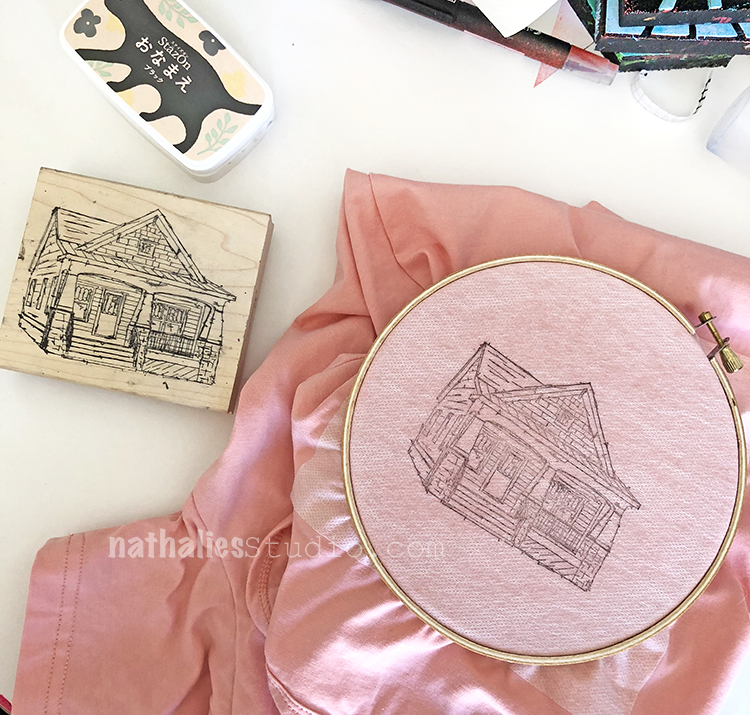
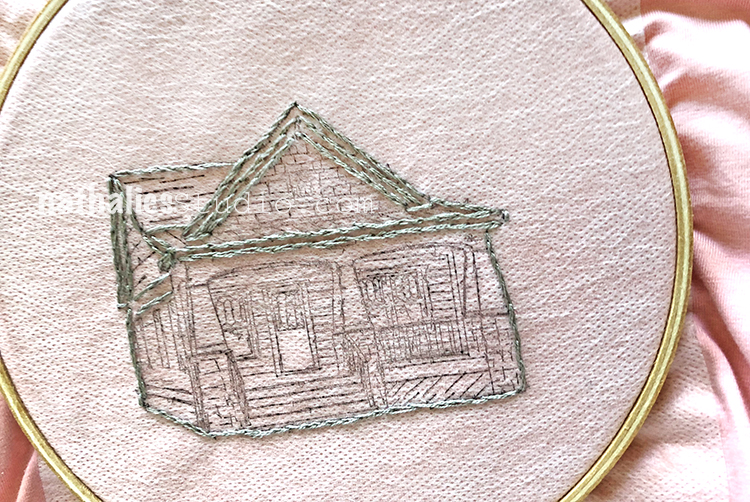
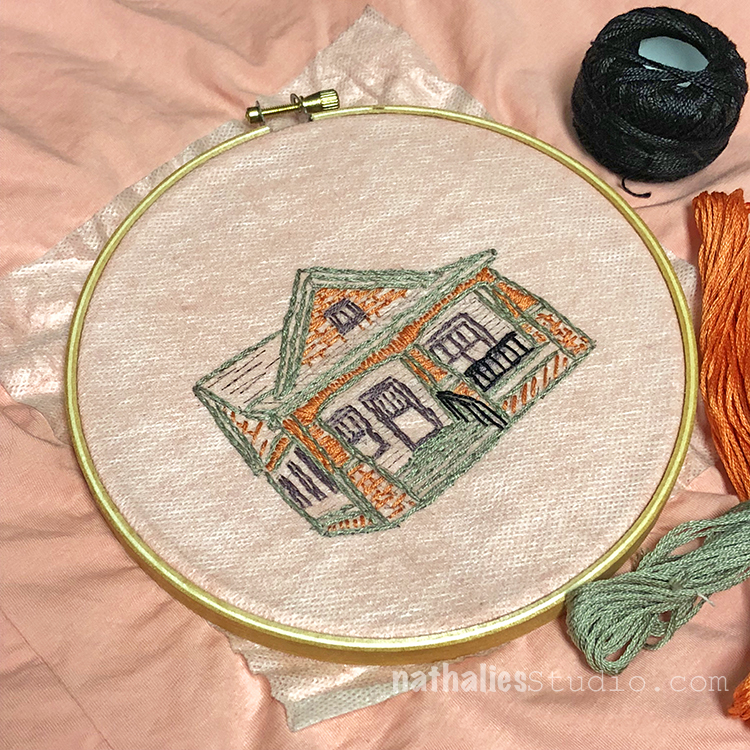
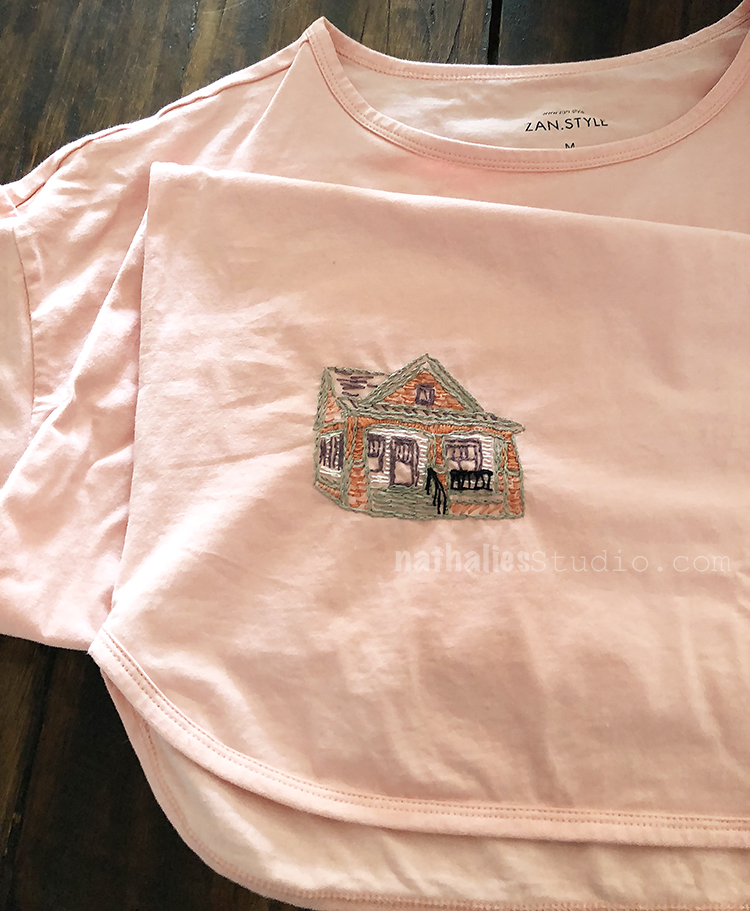
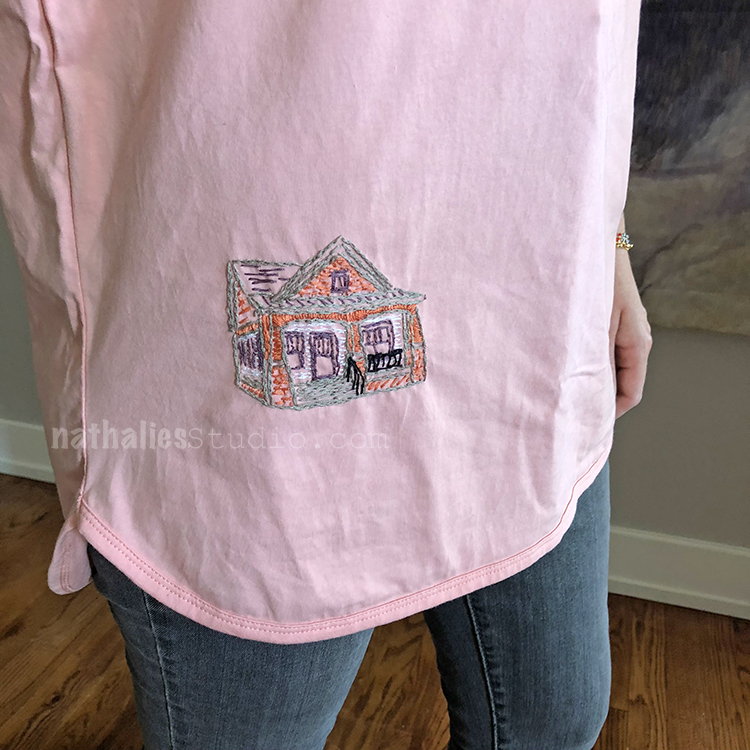
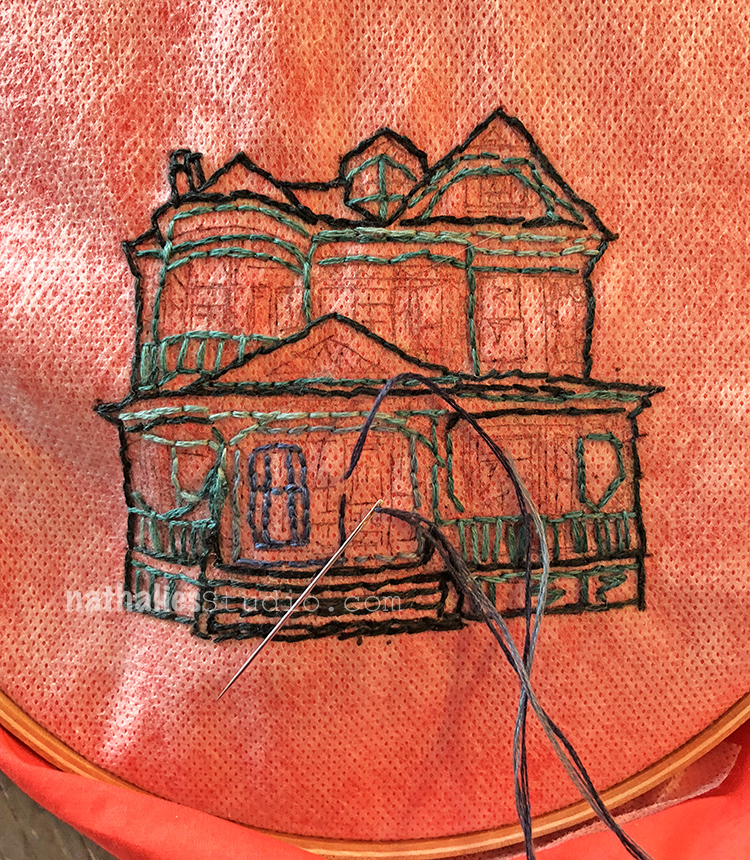
You don’t need much to pull this off: embroidery thread, needles, scissors, a hoop, and a super nifty adhesive fabric stabilizer from Sulky that dissolves in water (see the link in the supplies below). Then you just choose a rubber stamp design and stamp on the fabric stabilizer. Kim chose the Craftsman stamp from my Stroll Around the Block set. It fits right in a 6″ hoop with some room to spare.

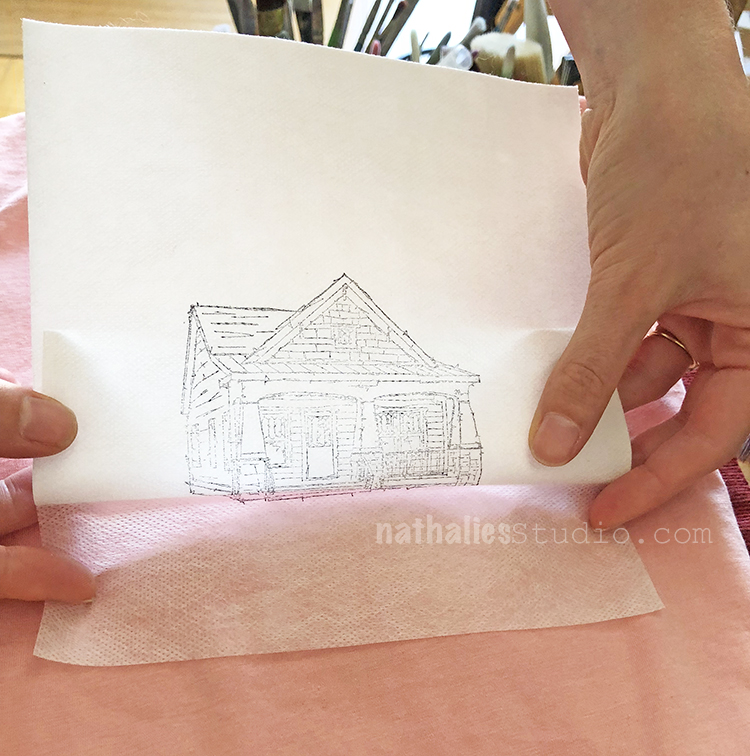
Then she carefully peels the backing off the stabilizer, removing the bottom a little to position and stick onto her tshirt. It is important to make sure the tshirt is flat underneath with no wrinkles and do not stretch the tshirt either. Slowly peel away the backing and press the stabilizer firmly onto the fabric.

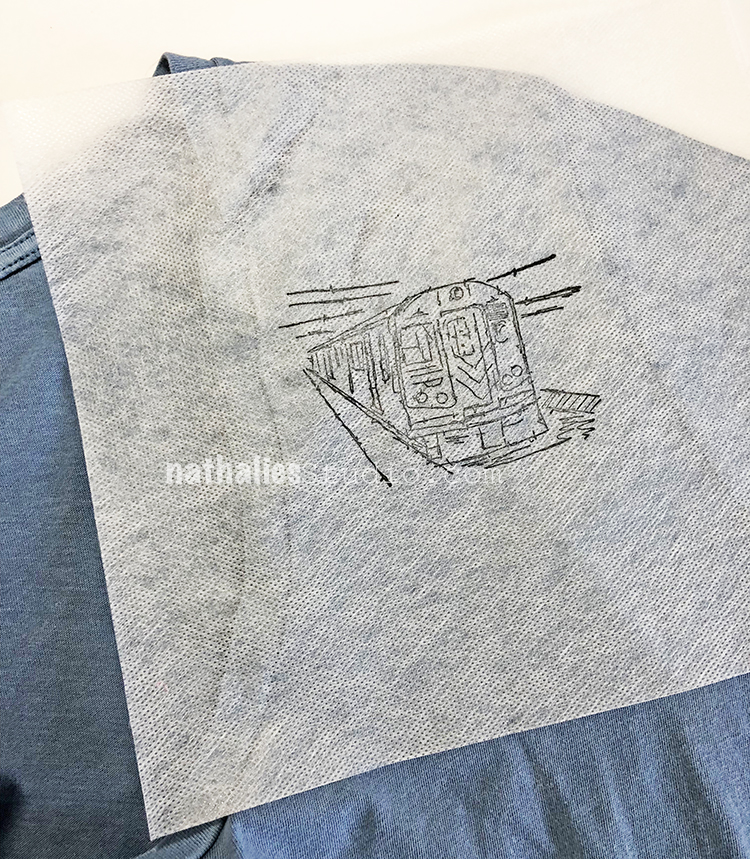
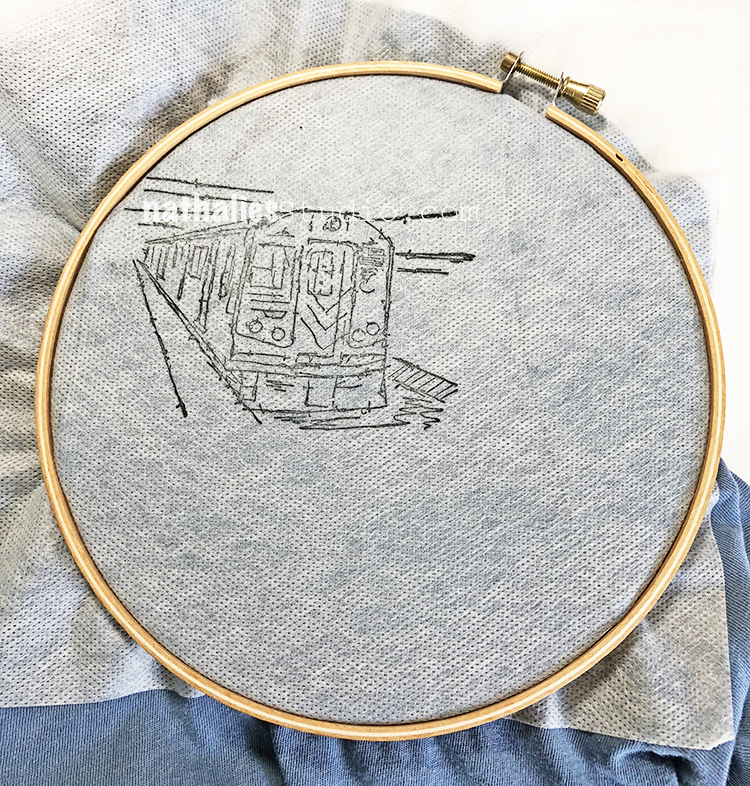
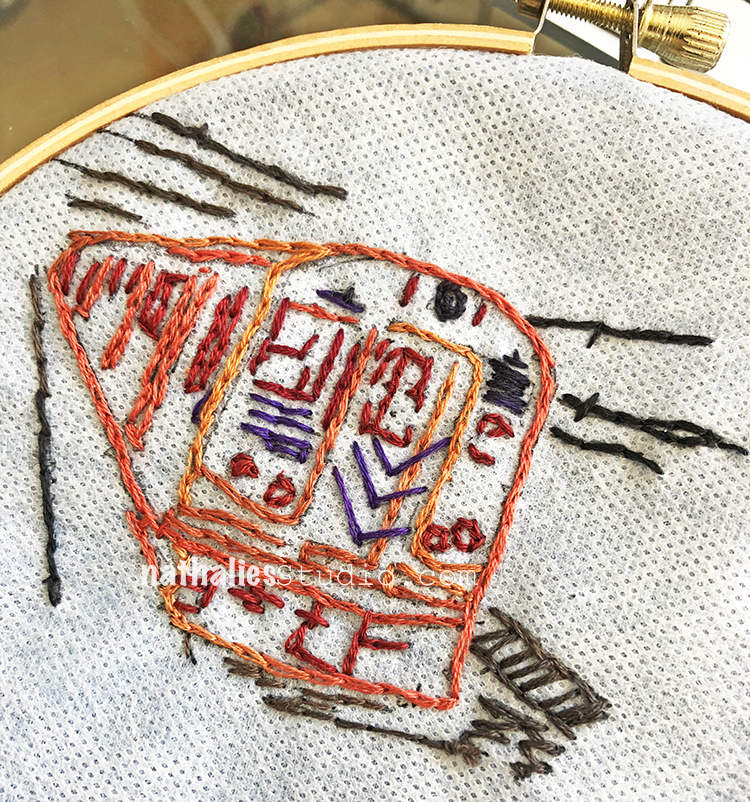
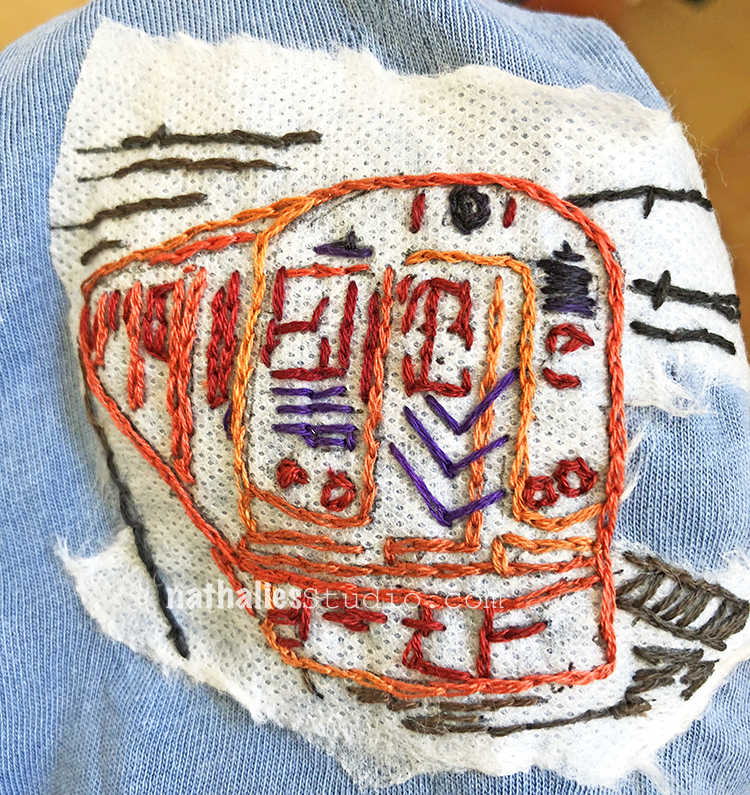
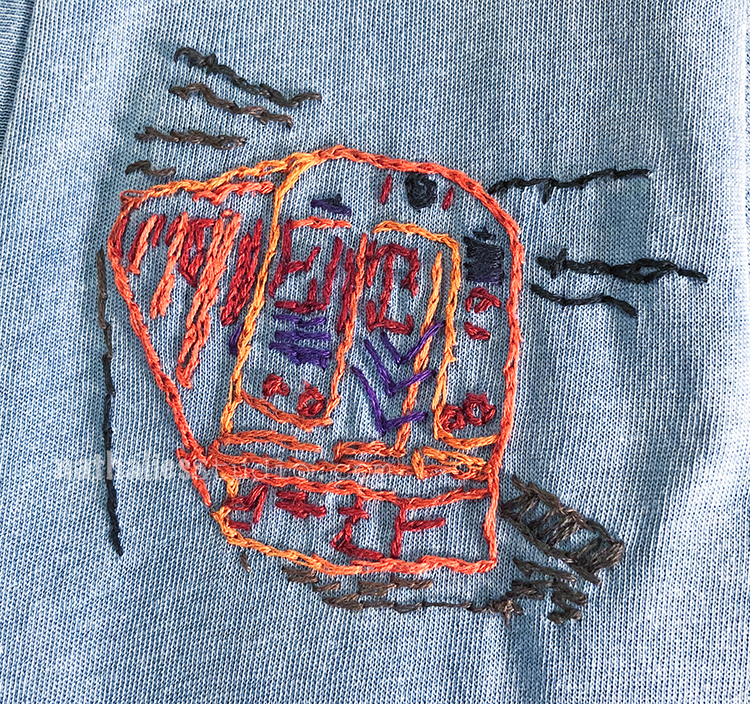
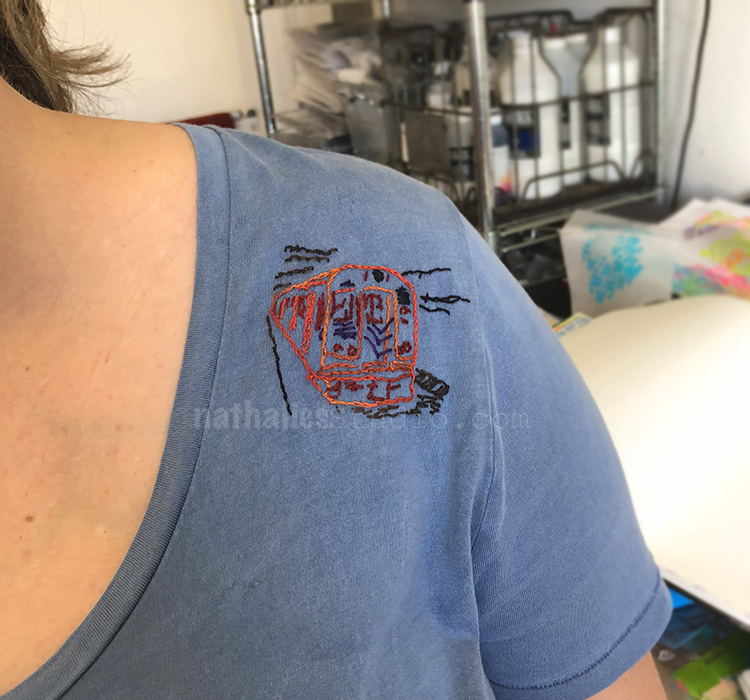
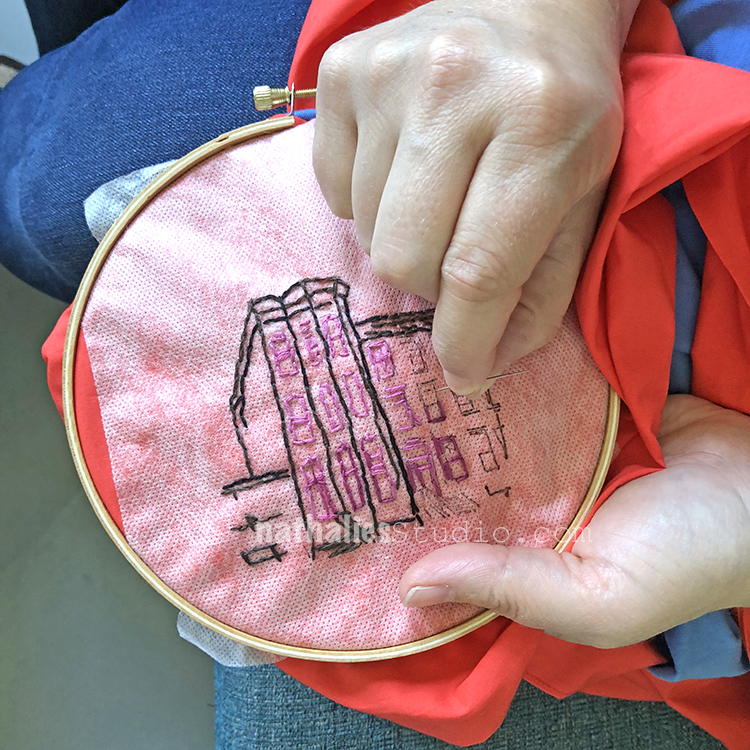
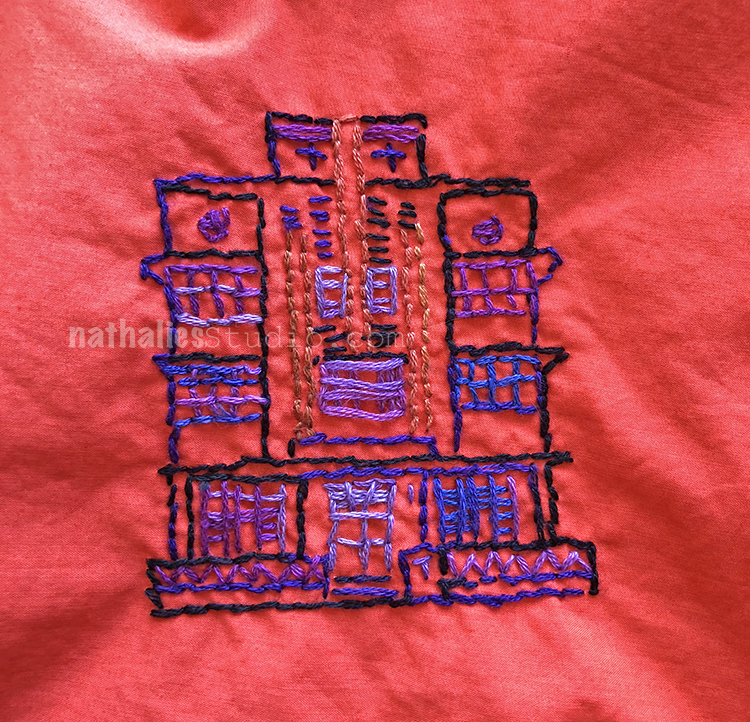
I chose my E-Train rubber stamp from the Stroll Through the Hood 2 set. It fits nicely on the shoulder of this tshirt.

I next put the embroidery hoop on, careful to not stretch or distort the fabric. It should be taut but not stretched. Because of the neck opening, I had to position the image off to one side so that the hoop could grip the fabric all around.

Kim got to use my new StazOn stamp pad that I got in Japan with the cute cat cover…

Now the fun begins, and we begin to embroider, stitching to follow the stamped designs.

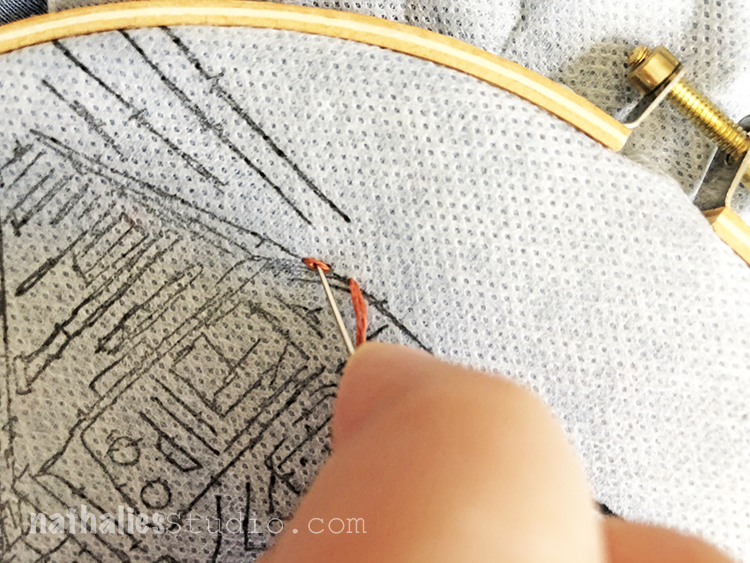
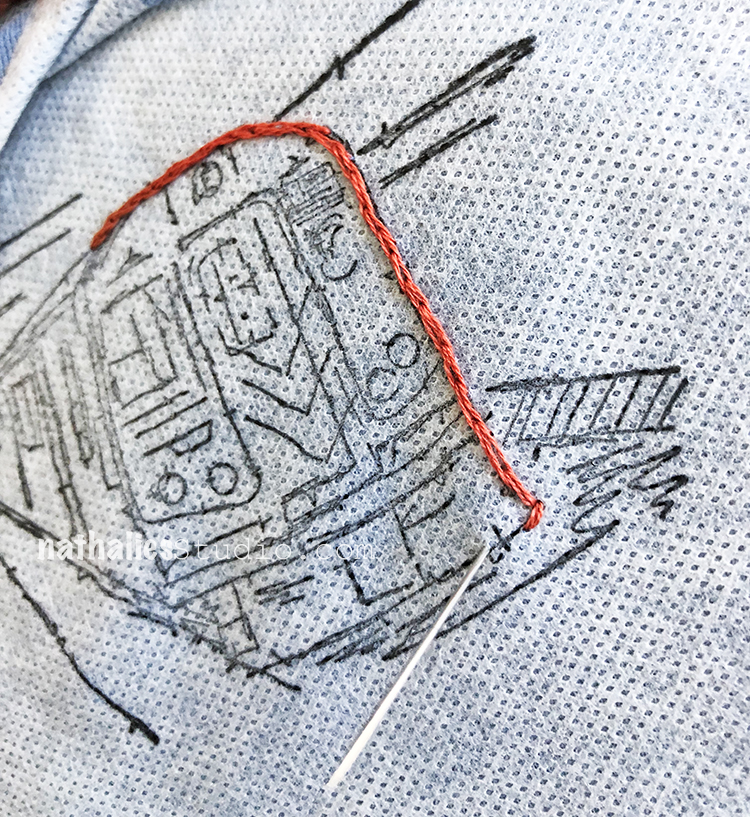
I like to make a stitch, then double back and go through the stitch to make a quasi “split stitch”. I am no expert on embroidery, and the main thing here is that you don’t have to be! Just make stitches and follow the design.

I trace the outline of the E-train stamp and Kim traces the Craftsman house…

It’s fun to begin to choose colors and mix things up in the design. If you don’t like what you did, you can always gently loosen the stitches back with your needle and cut the threads out. I also found that I could trace the design with a colored pencil to help envision how a color would look.

Here are our designs, coming along.

When I finished, I loosened the hoop and slipped it off, and tore off the excess stabilizer.

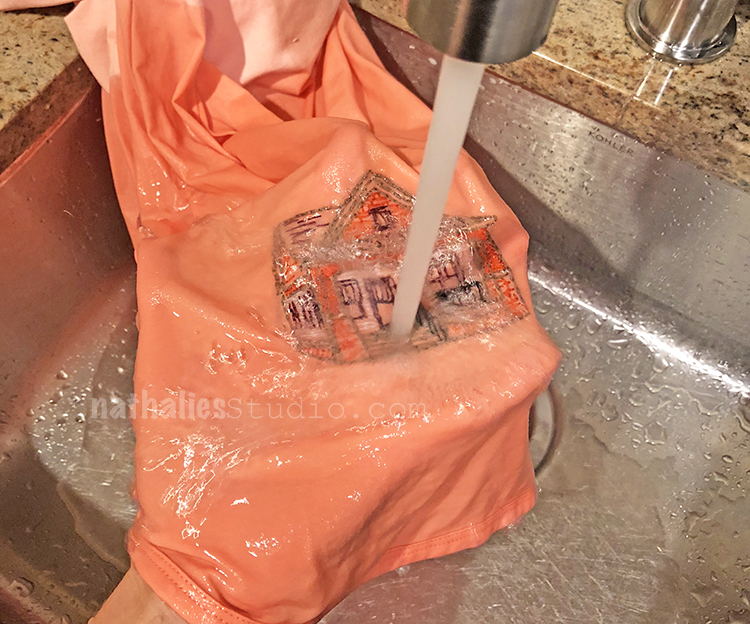
Next you wash it gently under running water and the stabilizer melts away, leaving just the embroidery. Be gentle and make sure to get under the stitches if you have dense areas.

Now your piece is ready to be laundered to take any additional adhesive off.

Then you can wear your new personalized shirt :)

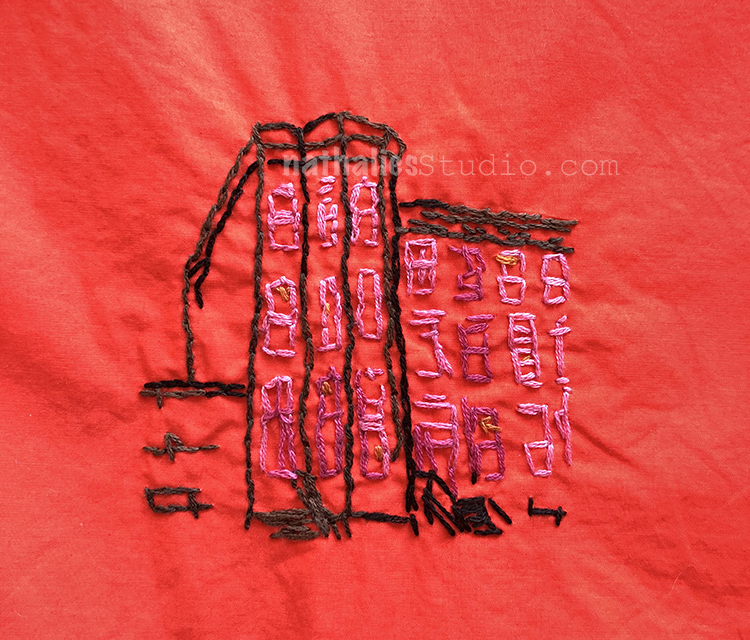
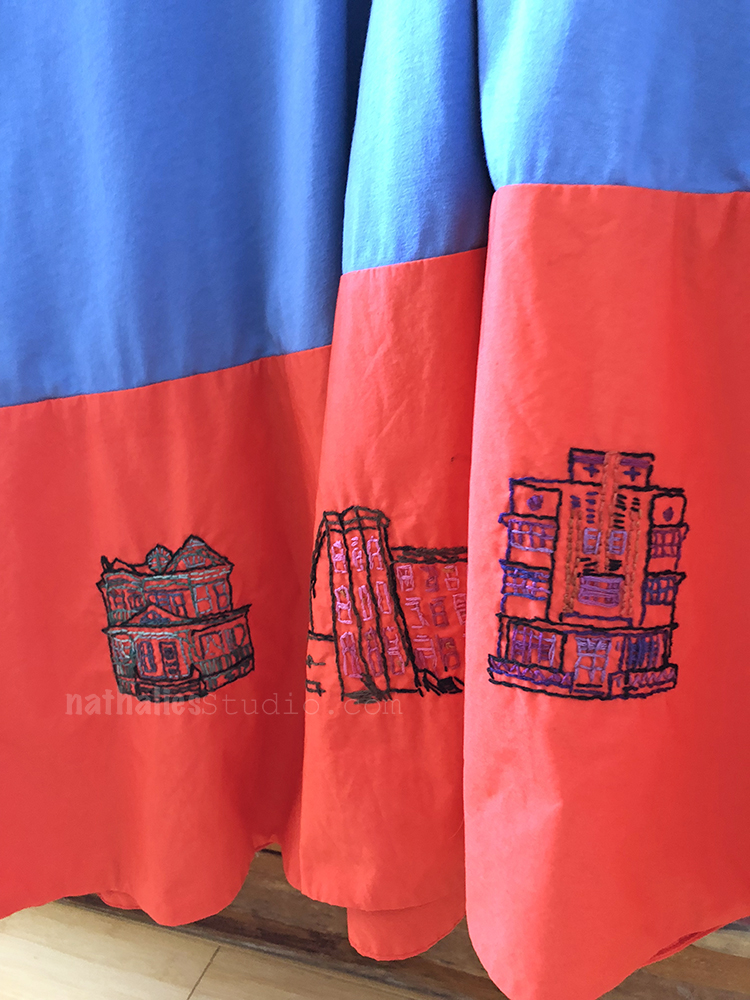
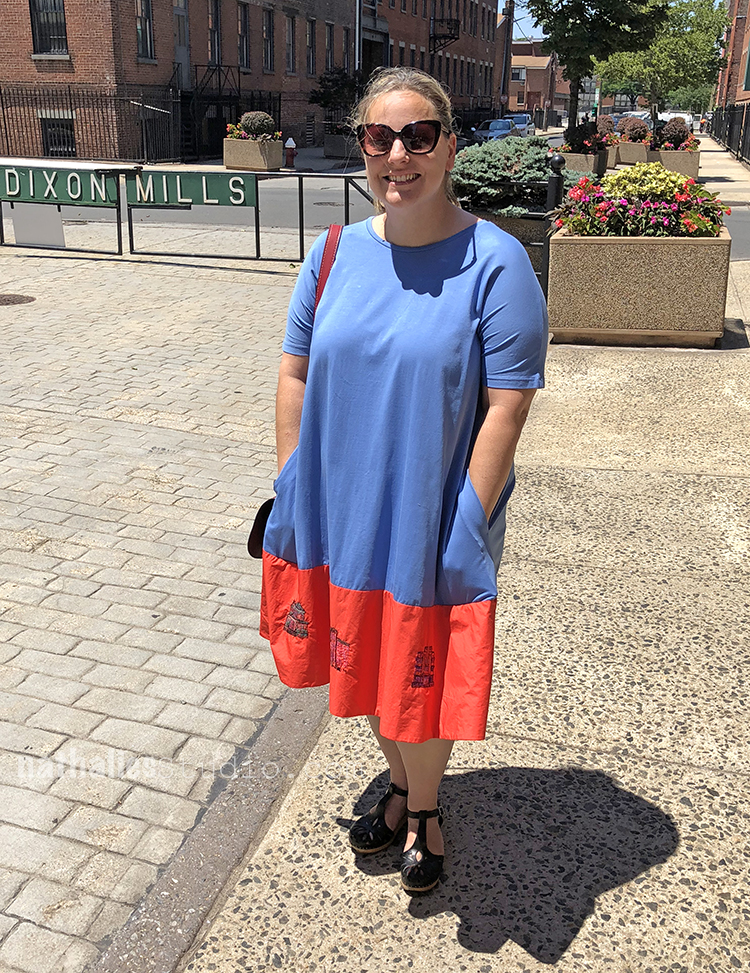
And of course I didn’t stop there. I had a dress with a red hem that was calling for some decoration…

I began with my Brownstone stamp from the Stroll Through the Hood 1 set.

And then the Queen Anne house from the Stroll Around the Block set…

And finally the Art Deco stamp from the Stroll Around the Block set!

Here they are on the hem of the dress:

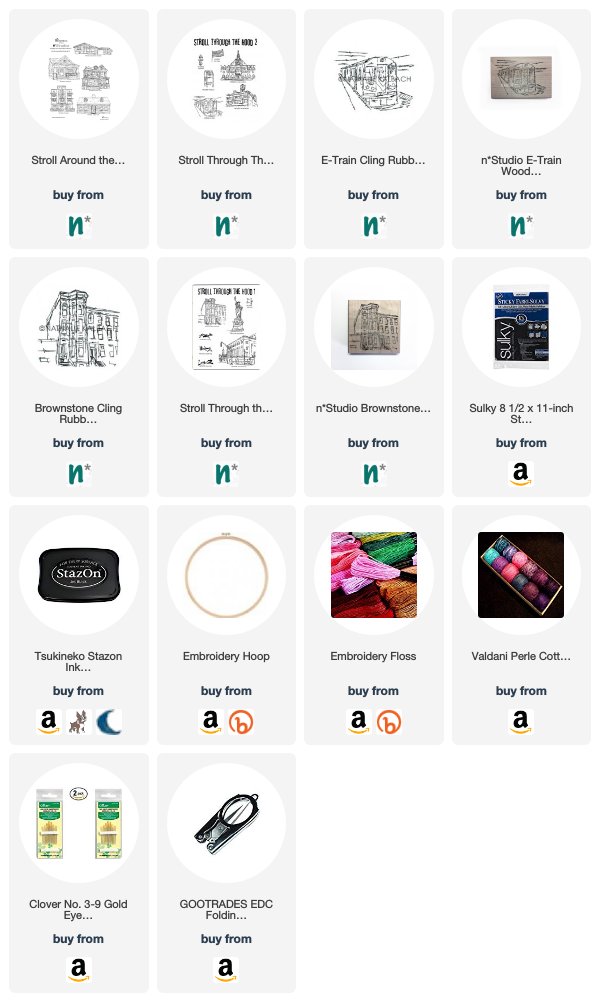
I loved taking some clothing items and making them more interesting so I might now wear them. And the embroidery is so easy to pick up and have fun with, especially if you use the rubber stamped design on the stabilizer sheet. Give it a try! Everything you need to get started is below:


SaveSave

SaveSave

Comments (4)

  • Nancy Sapp

    |

    I LOVE, LOVE, LOVE ALL the embroidery ideas from your stamps, Nat!!! I just wish I was good at embroidering!!

    Reply

    • nathalie-kalbach

      |

      thank you so much ! I am not good at embroidery at all and this was really easy- promised!

      Reply

  • Sue Clarke

    |

    Clever…unique…love it!

    Reply

Leave a comment

Knowing the Author – Art Journal

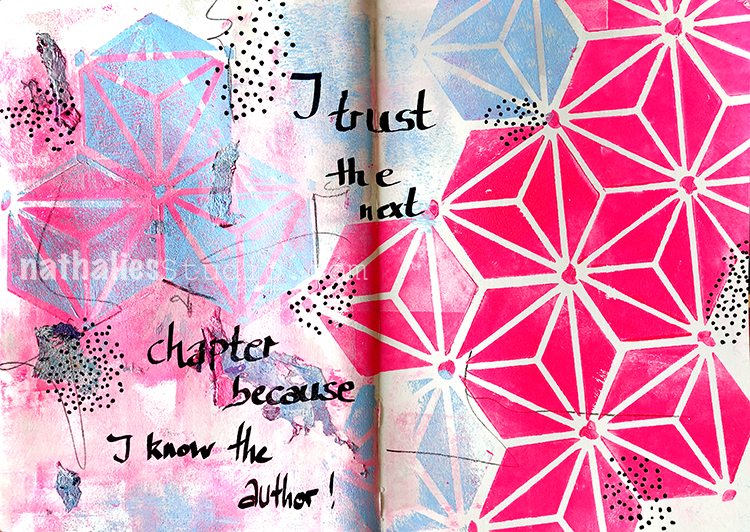
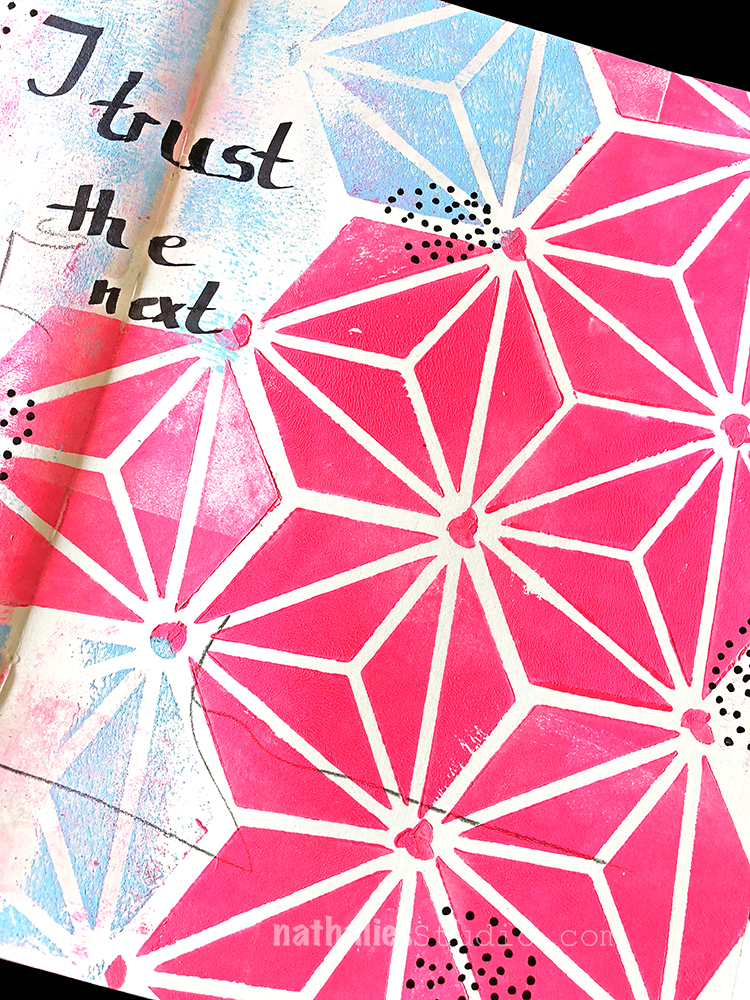
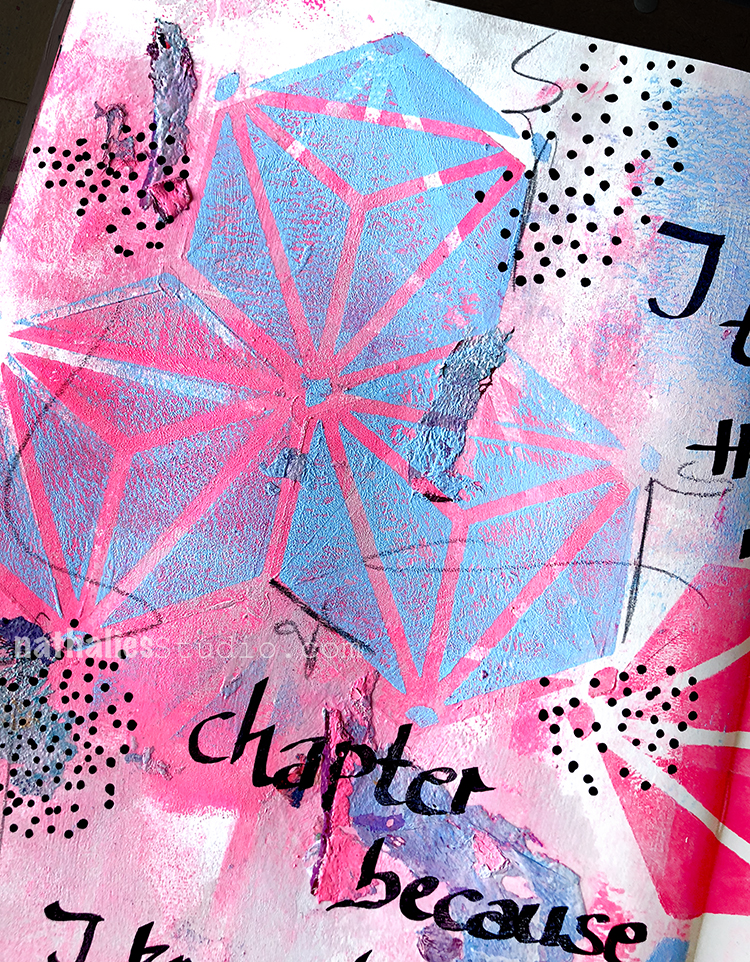
“I trust the next chapter because I know the author!” – love it…if only it was true- hahahahah ;)

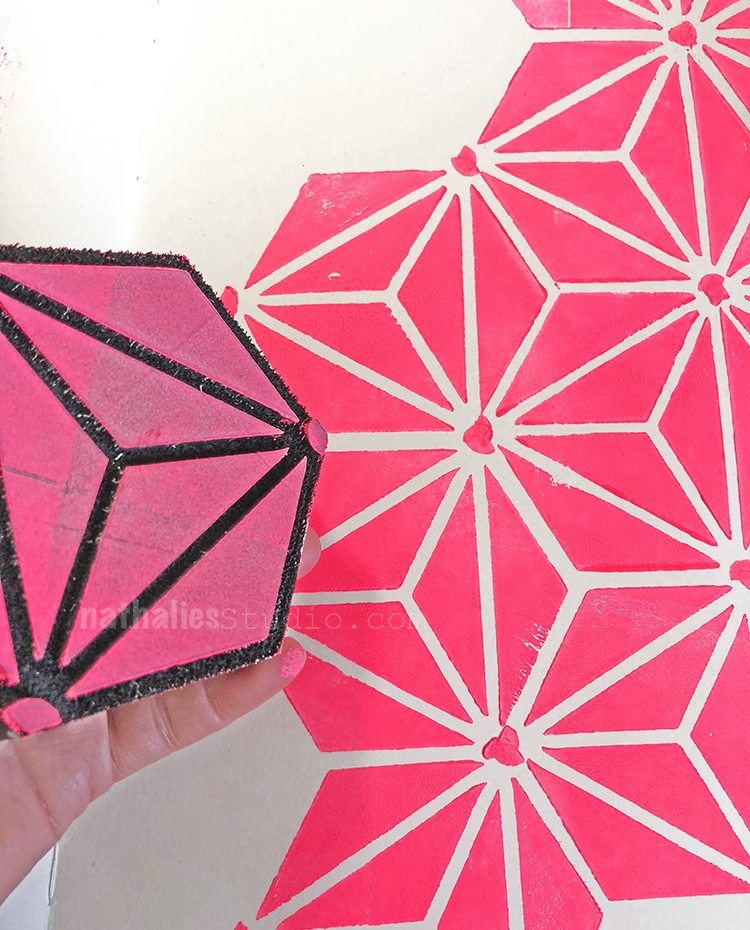
I used my brand new Diamond Hex ArtFoamies stamp and rolled acrylic paint on top before stamping it.

I used less amount of blue paint on the stamp and I love how the foam stamp then reveals so much texture and dimension. That is what I love about Foam Stamps- the texture you can create with it makes pattern so much more interesting or me!

I added some journaling and dots with a calligraphy pen and some marks with a soft pencil.

Here are some of the supplies I used for this page


Leave a comment

Endless Summer – Josefine Fouarge


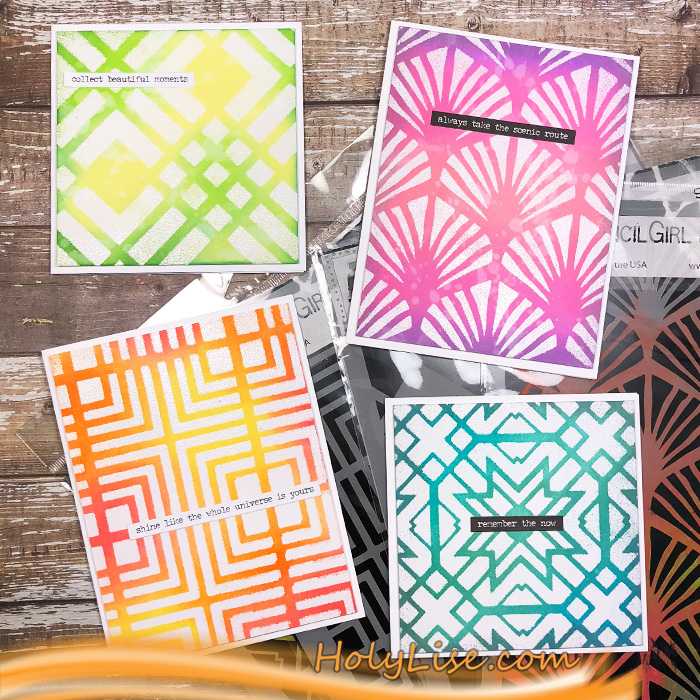
Hello my friends and hope you are enjoying your summer (if you are in our hemisphere I guess lol, otherwise Happy Winter!). Today we have a post from Josefine Fouarge from the Creative Squad, sharing with us some absolutely gorgeous cards using my stencils and the happiest summer colors. This month the squad is using the theme:  Endless Summer – The days are long, the sun is shining, the air is soft… it must be summer! Let’s take a stroll down memory lane and save a summertime memory forever.


Summer has started, it’s official. We are having the first days with over 100 degrees in California, so I spend a lot of time in my pool. When we bought our house, we fell in love with the pool. It is plastered with a variety of blue tiles which shine amazingly when the sun hits them. The colors of the pool were my inspiration for this month’s theme – Endless Summer. But as always, I started with those colors and then couldn’t stop.

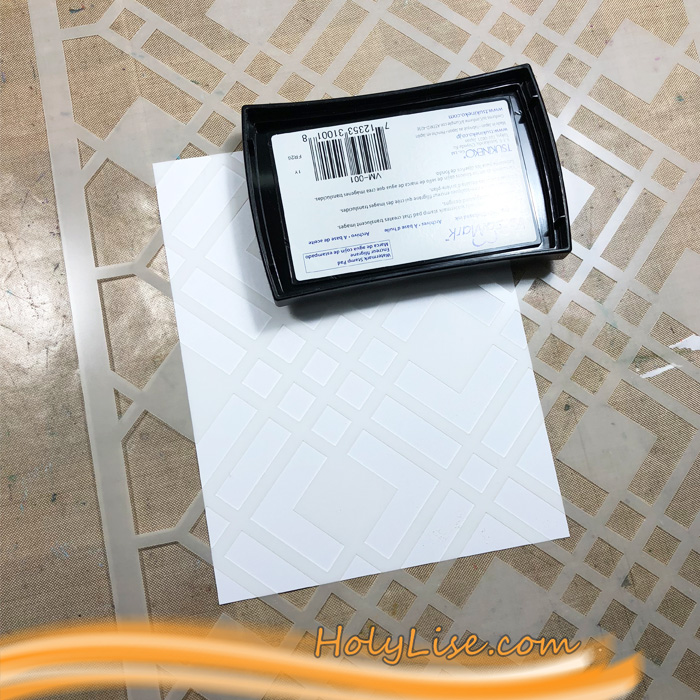
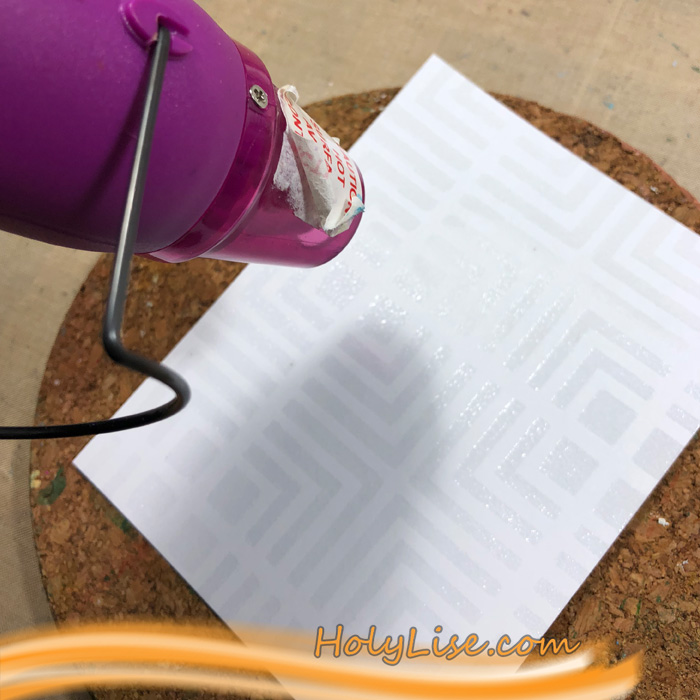
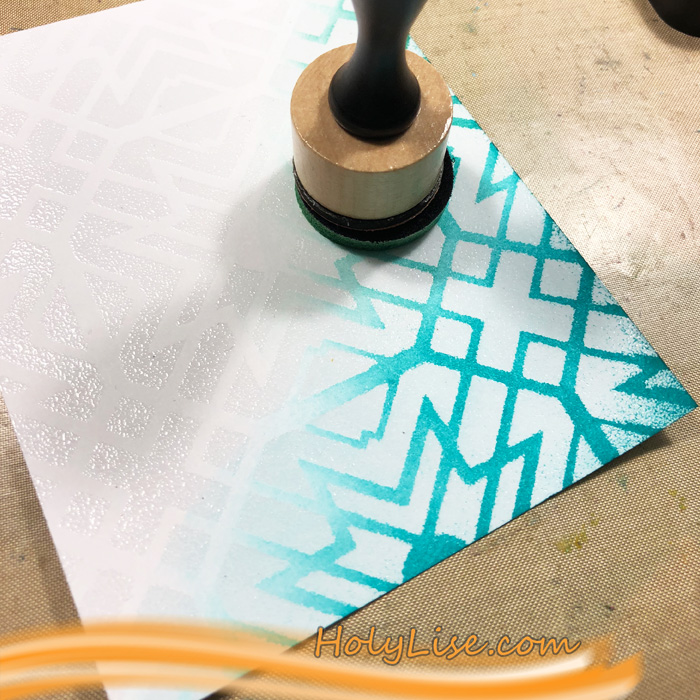
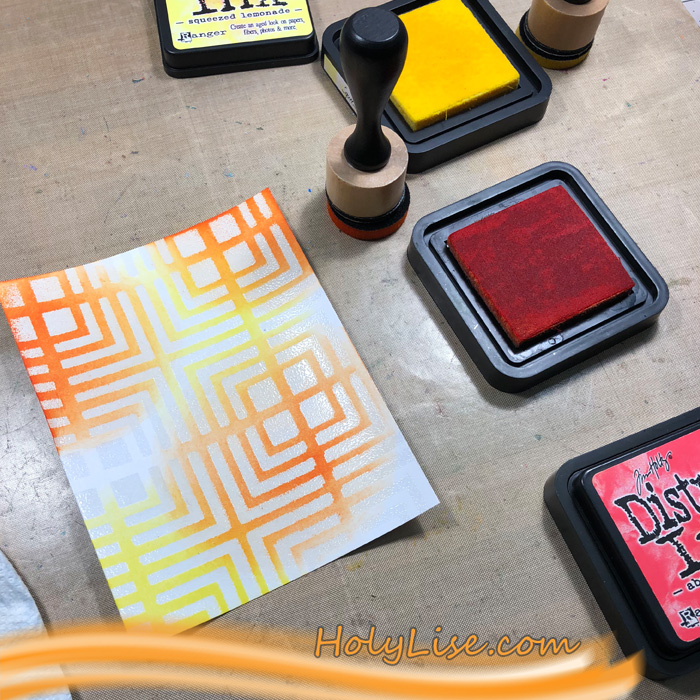
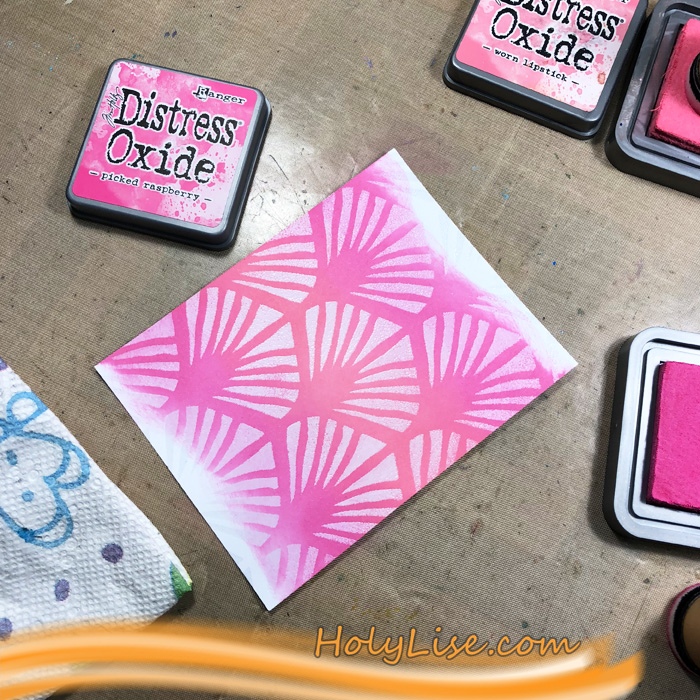
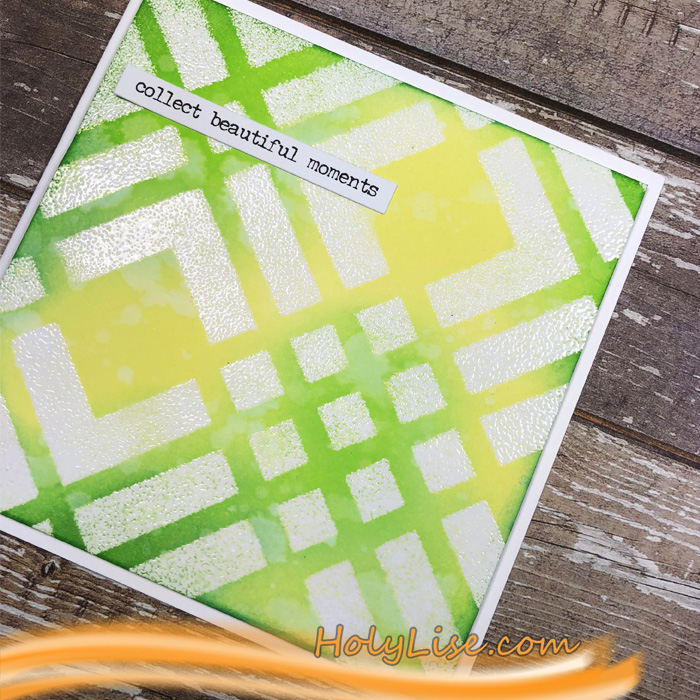
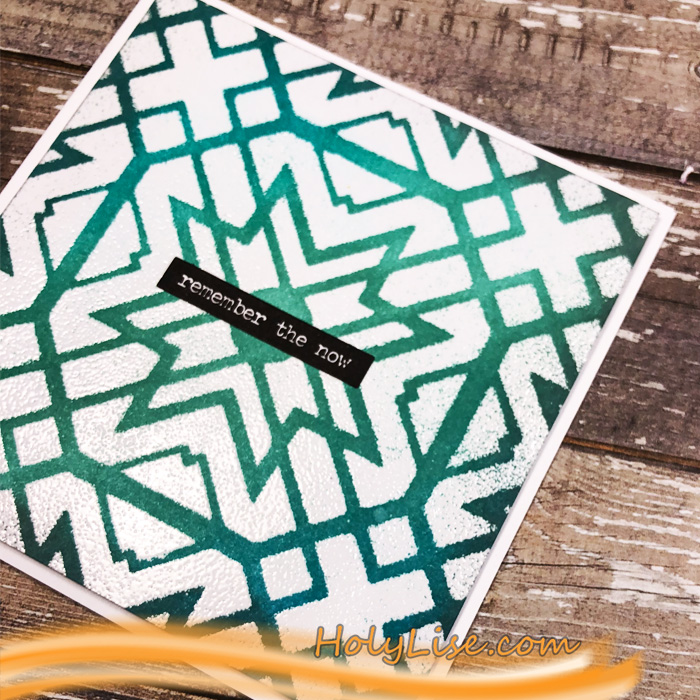
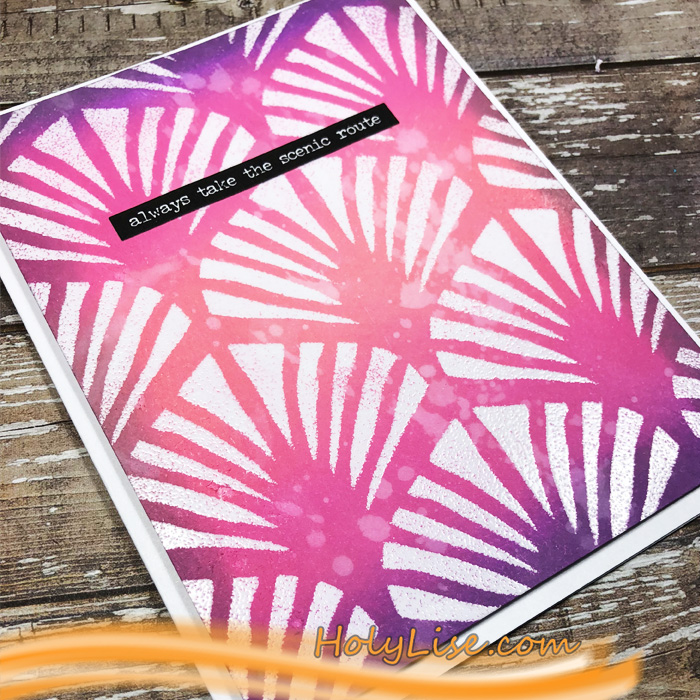
But let’s start at the beginning. I decided to create a few greeting cards. I haven’t done a lot of ink blending lately, so that’s the technique I went for. It all started with picking 4 stencil designs and then heat embossing the patterns with clear embossing powder. For that, I placed the stencil onto a 4 ¼ x 5 ½ piece of card stock, dapped the Versamark ink pad through the stencil, added the powder and heat set it. I did that with the Manhattan, Chicago, Toledo and Art Deco stencils.

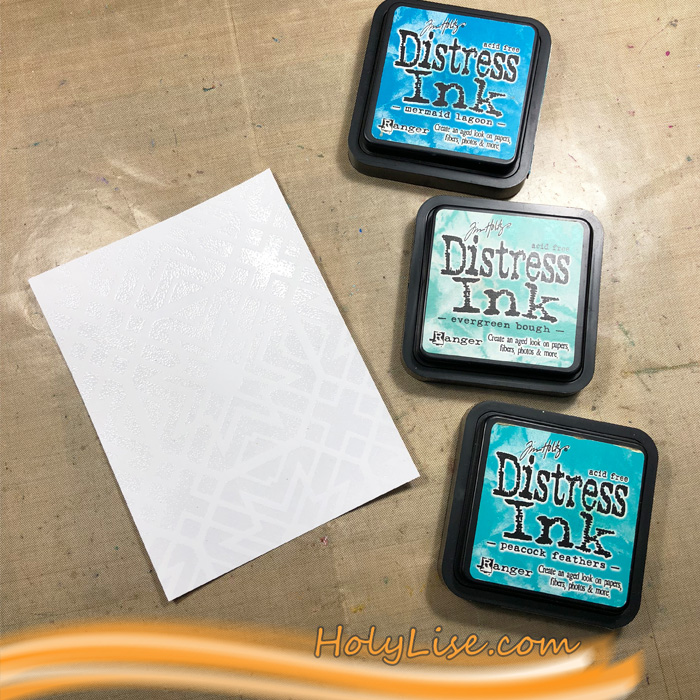
My original plan was to use the same blue shades of Distress Inks and Oxides for the cards (which were inspired by our pool), but after the first card I changed my mind and went all over the rainbow.

I always started with the lightest color, inked the background up and then switched to the second color. I went over the same areas a couple of times to get a bright color.

When I added the second color, I always went back to the first color and blended over it.

At last, I added the darkest color. Usually, I didn’t ink up the darkest color too much to not overpower the cards with it.

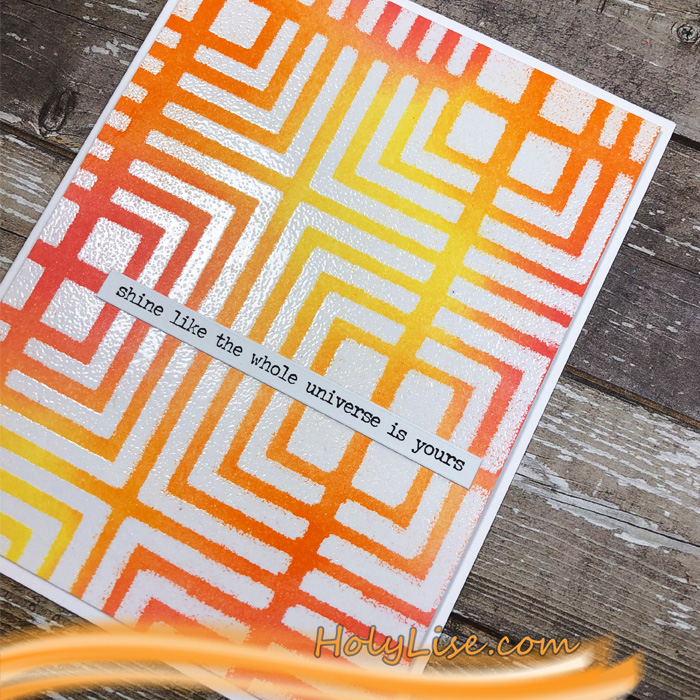
At the end, I cut two of the panels into 4 x 4 squares and adhered them onto a 4 ¼ x 8 ½ card base. The other two are cut to 4 x 5 ¼ and adhered to a 4 ¼ x 8 ½ card base. I also added one sentiment sticker to all of the cards.

Here are all 4 cards with the colors I used:

Manhattan stencil with Distress Ink in Squeezed Lemonade, Carved Pumpkin, Abandoned Coral

Chicago with Distress Oxide in Squeezed Lemonade and Distress Ink in Twisted Citron and Mowed Lawn

Toledo with Distress Ink in Peacock Feathers, Evergreen Bough, Mermaid Lagoon

Art Deco with Distress Oxide in Worn Lipstick, Picked Raspberry, Wilted Violet

I hope that these colors got you into a summer mood, at least a little ;)

Thanks for stopping by and don’t forget to come back every Tuesday for more inspiration from the Creative Squad.


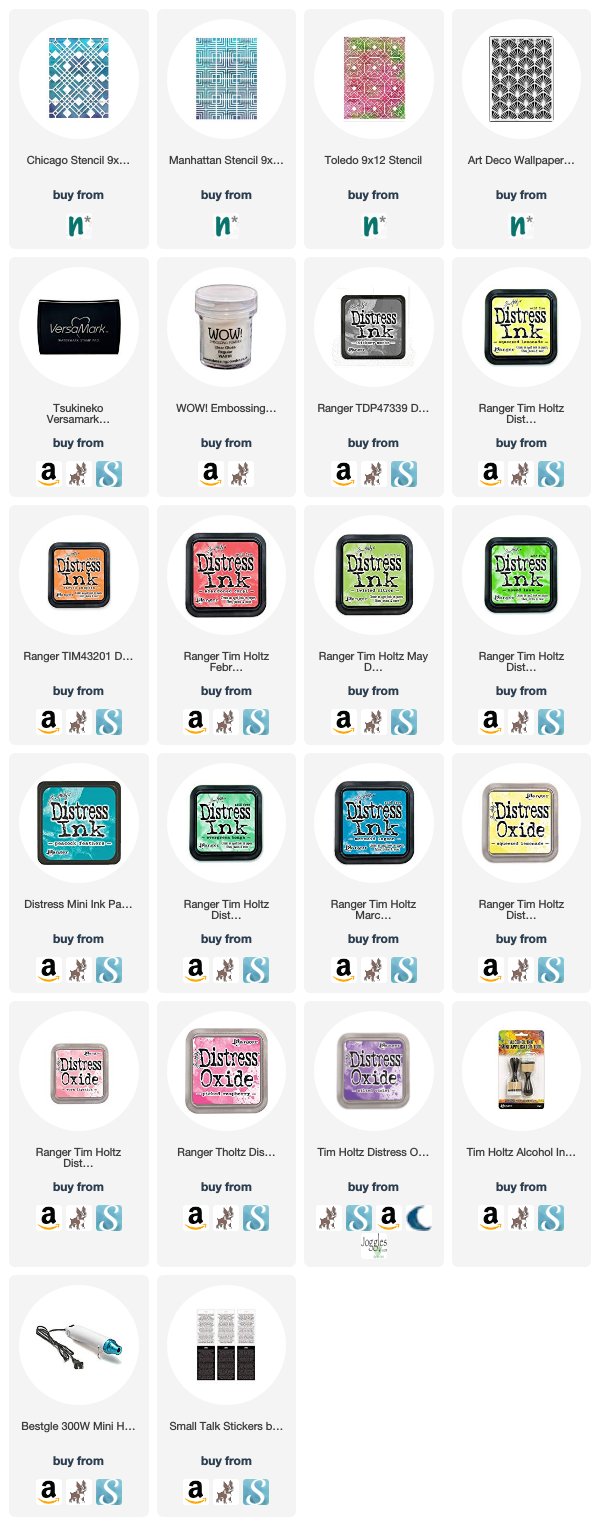
Thank you Josefine! I love how that embossing sets off those lovely colors. Here are some of the supplies that Josefine used:


Did we inspire you? Working on something yourself that you’d like to share?  I love to see how you interpret our monthly themes. Email me how you used my stencils and stamps with the theme and email me an image – I would love to share your projects in my next  “n*Spiration From Around the Globe“.

Leave a comment

Always a Flower – Art Journal

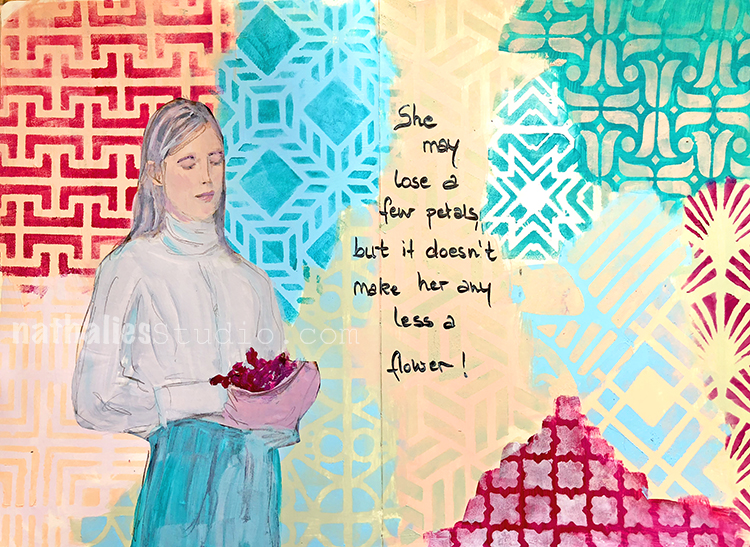
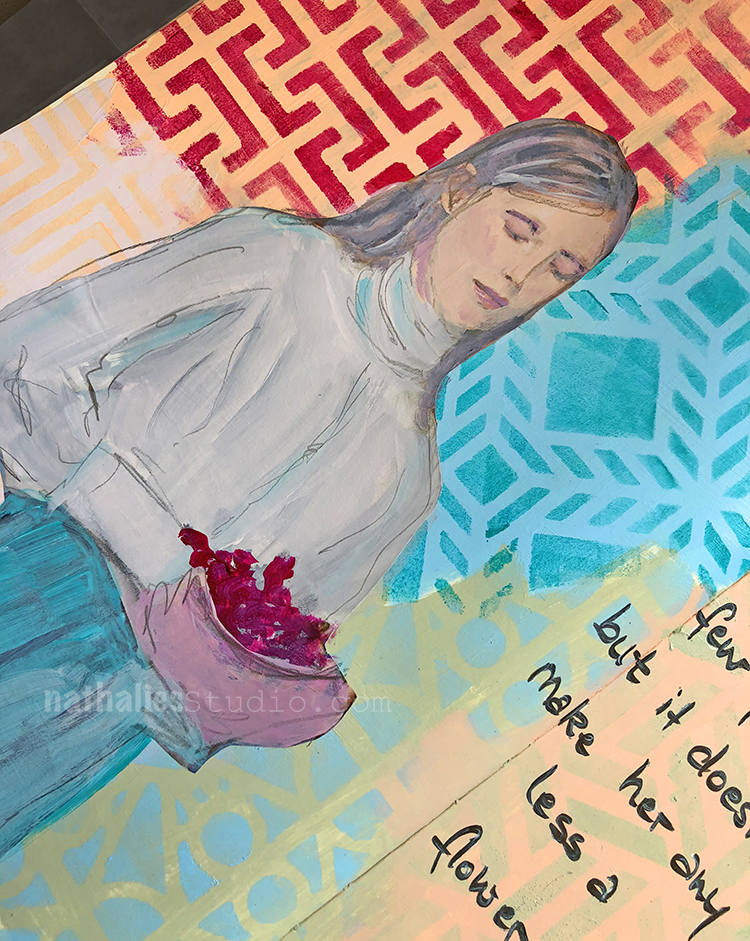
Loved making some color swatches into my art journal with some new acrylic paints and then using a variety of my stencils on top of them.

I do love those new colors – there are not my usual style but I wanted to get something that gets me out of the box :)

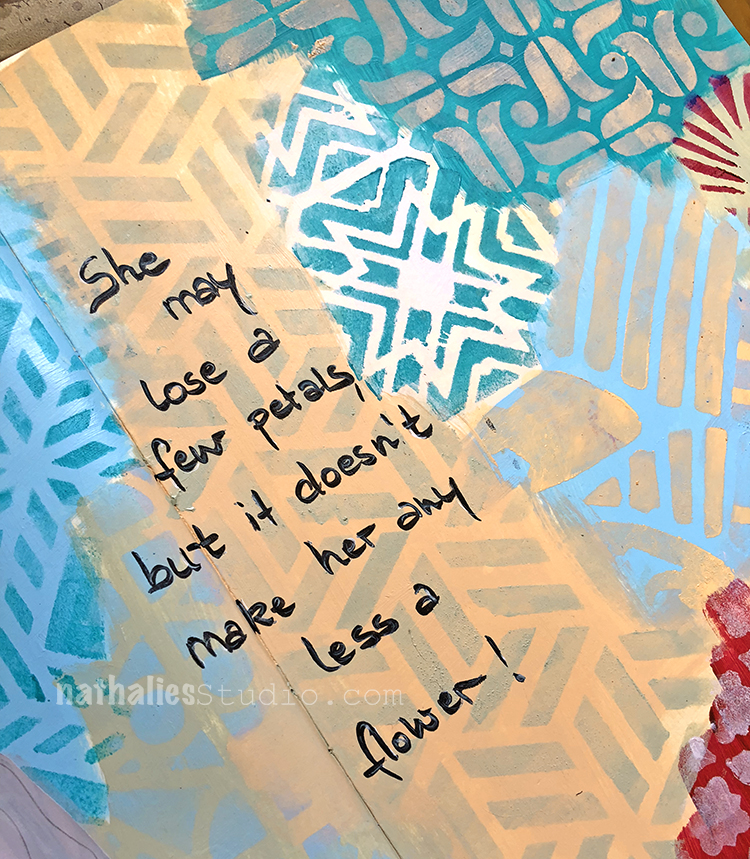
I also love the quote! This was a quick and easy journal page to play with paint and stencils.

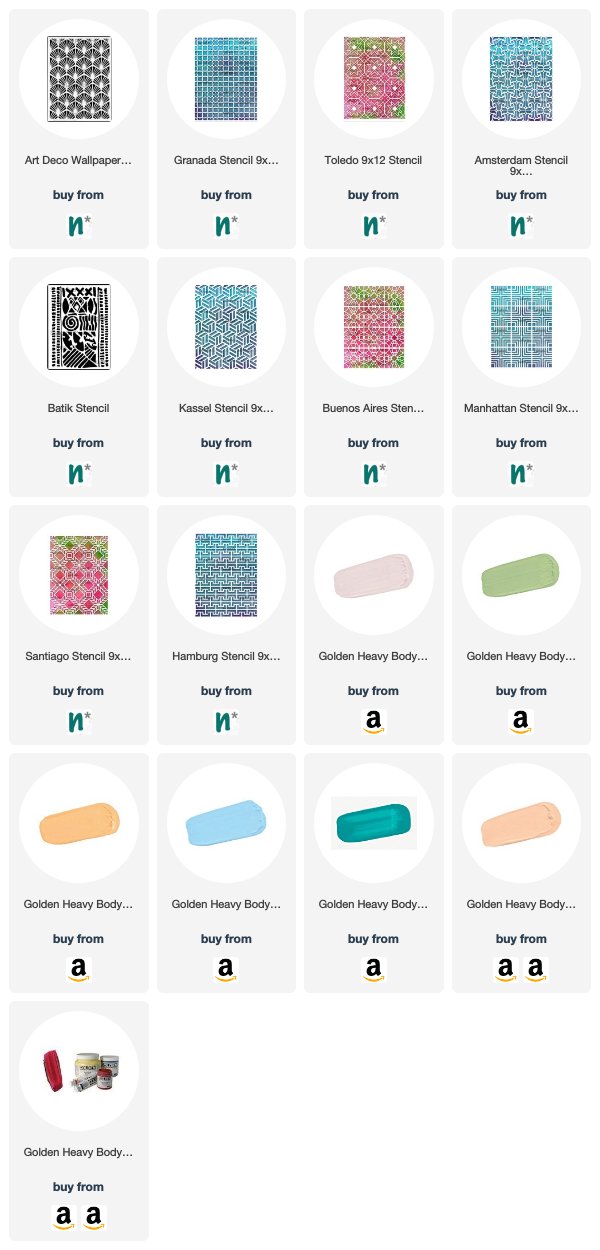
Here are the supplies I used


Comments (2)

  • Sue Clarke

    |

    I like those colors together as well. Great quote and definitely out of your usual color comfort zone Nat.
    Thank you for another inspiring post.

    Reply

    • nathalie-kalbach

      |

      Thank you Sue! Yeah def. need to use those colors a bit more :)

      Reply

Leave a comment

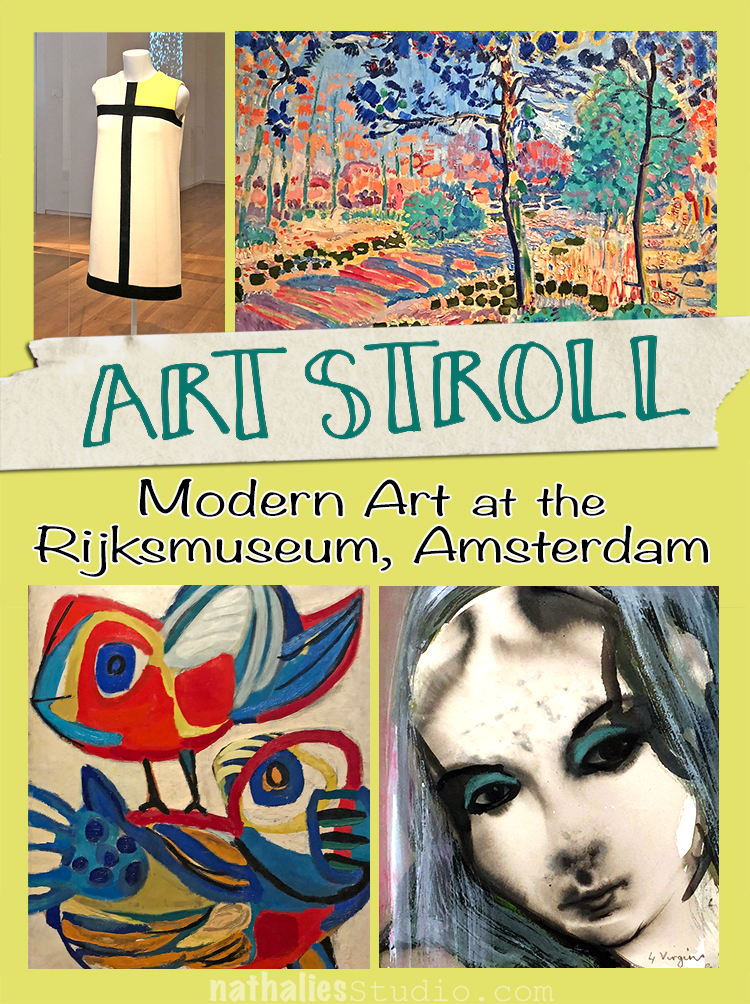
Art Stroll: Modern Art at the Rijksmuseum, Amsterdam

Last month I spend a lovely weekend in Amsterdam and since we haven’t been at the Rijksmuseum for a while we decided to go :) Now usually the Rijksmuseum is not really what you connect with Modern Art …the more the reason for us to check out the small collection a kind of hidden floor :)
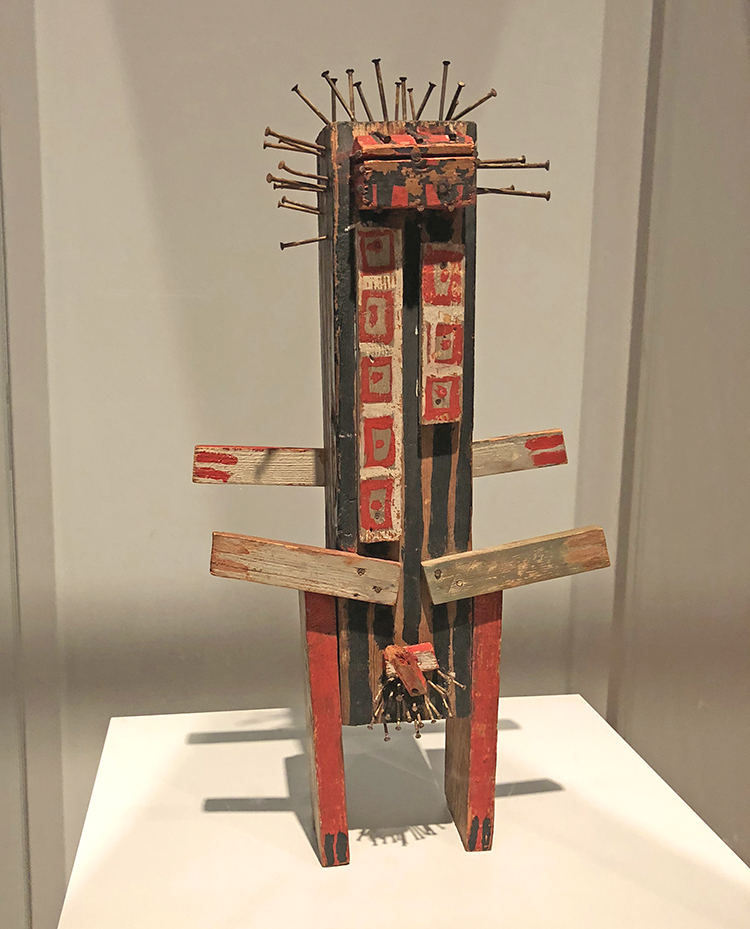
Standing Figure, Karel Appel, 1949 – wood, paint, metal

Shortly after the Second World War a new generation of young artists stepped into the limelight. With their unpolished and improvised painting  and sculptures they celebrated their regained freedom after years of German occupation. Karel Appel looked at artifacts from Africa and Oceania. He thought they were exemplary models of the unspoiled creativity and drive that should form the basis fo art in a free society.
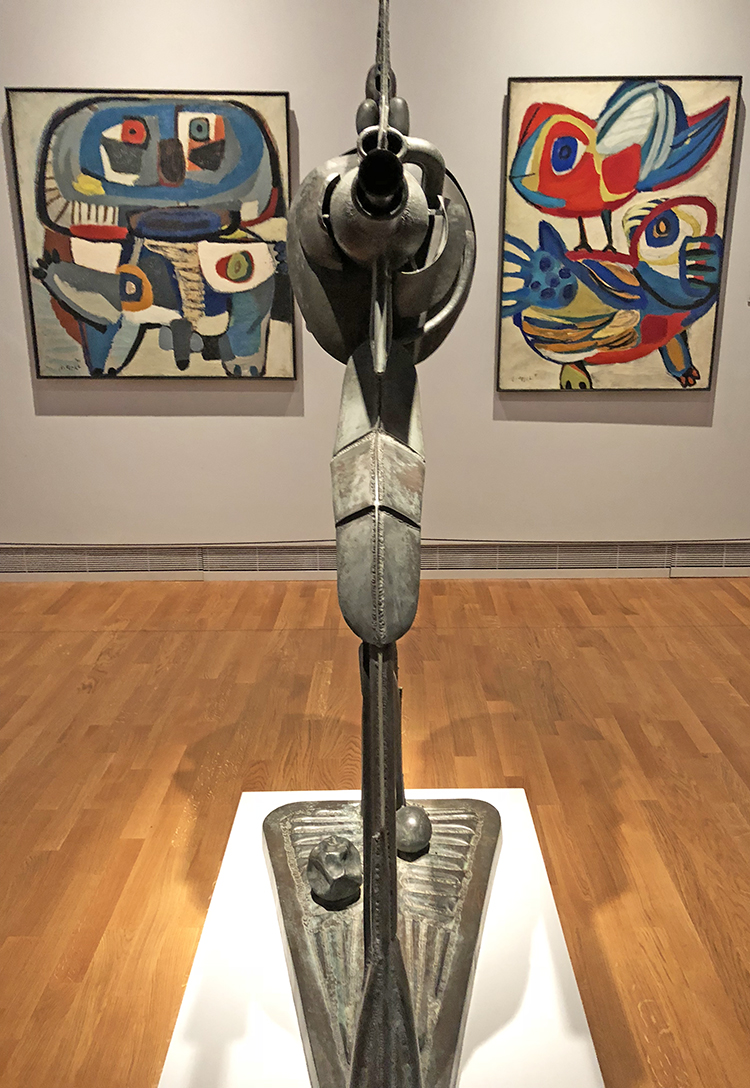
Below two paintings by Karel Appel
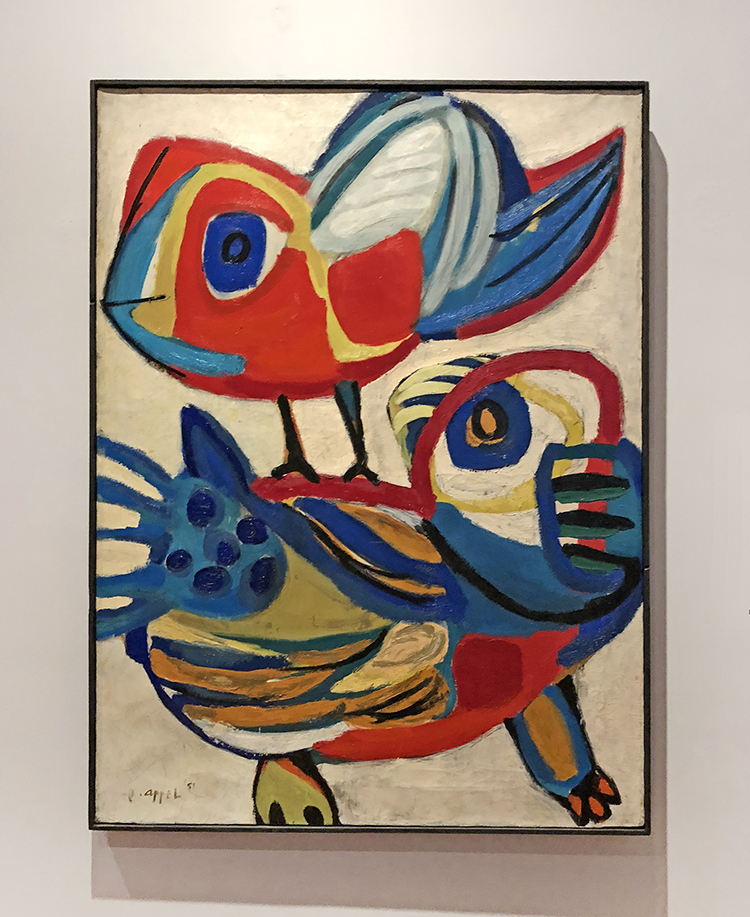
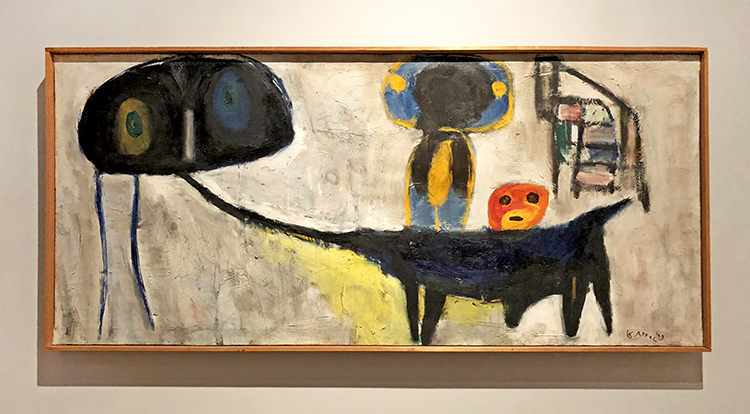
Child with Donkey (Kind met ezel), Karel Appel, 1949 – oil on canvas

In 1949 the smoldering eyes of Appel’s figures of children caused a great deal of discomfort among the public, The silent reproach of their gazes even led to his wall painting Questioning Children in the Amsterdam city hall being covered over. Appel began painting children after a  trip through post-war Germany. The misery of the often orphaned, hungry, and begging war children made indelible impression on him.
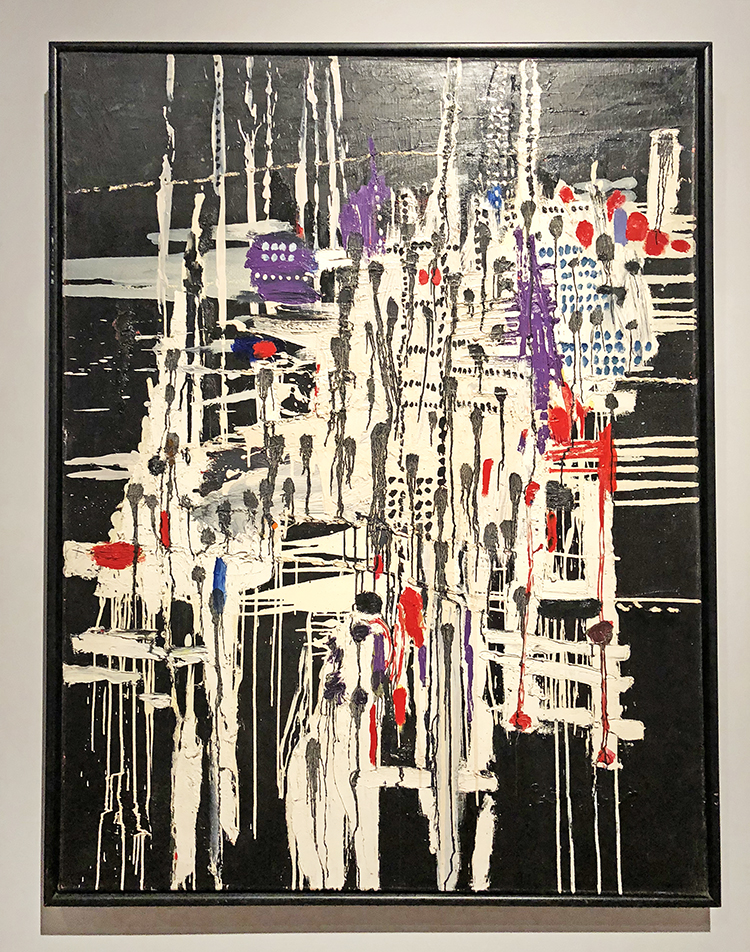
La Ville Noyèe (The Sunken City), Constant, 1956, oil on canvas

the title of this painting may refer to Atlantis, a beautiful and prosperous legendary island that was engulfed by the sea, according to Greek mythology. When Constant made this painting he was devising his own imaginary society: a city for the people of the future that he christened New Babylon.
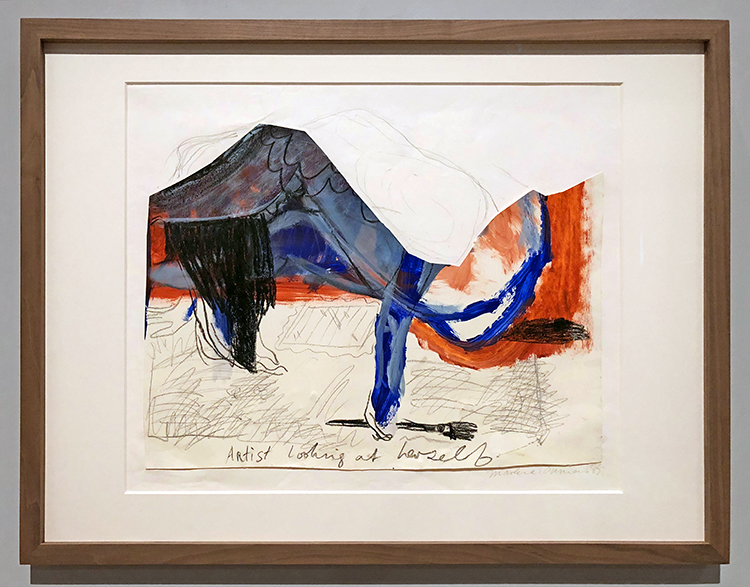
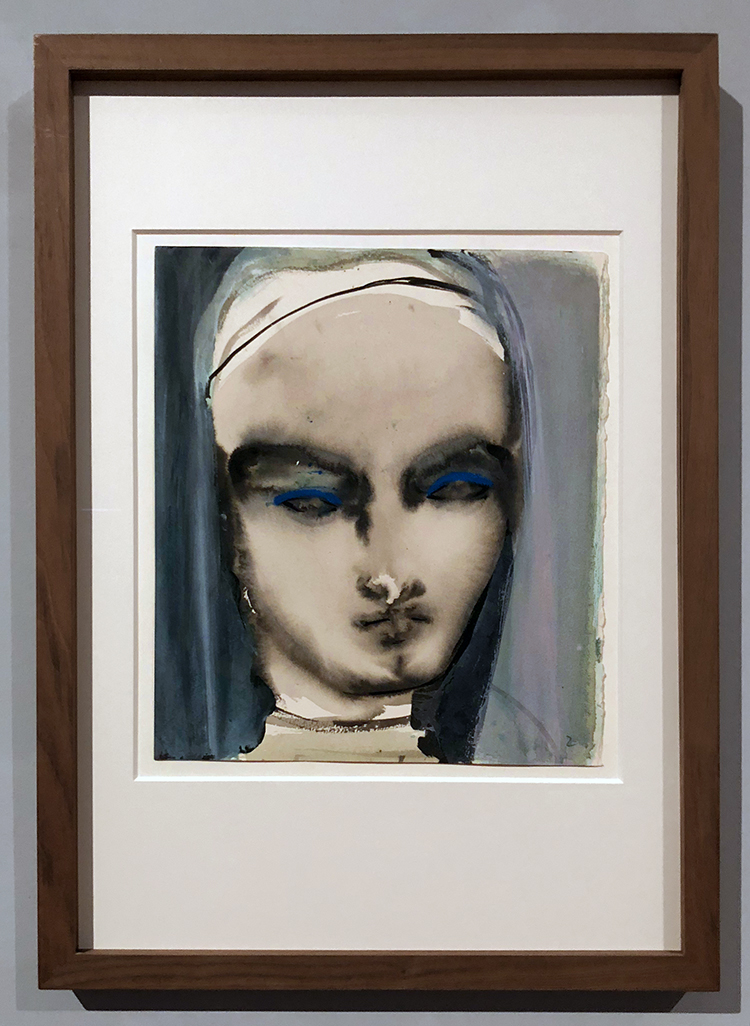
Artist Looking at Herself, Marlene Dumas 1983, gouache, acrylic paint, chalk, on paper

Eroticism and her role as a female artist are recurring themes in Dumas’ work. This portrait presents a paintress but whether it is Dumas herself is not clear. We see a women looking through spread legs into  mirror under her. She olds a paintbrush in her left hand, as though she is painting the pictures at this very moment.
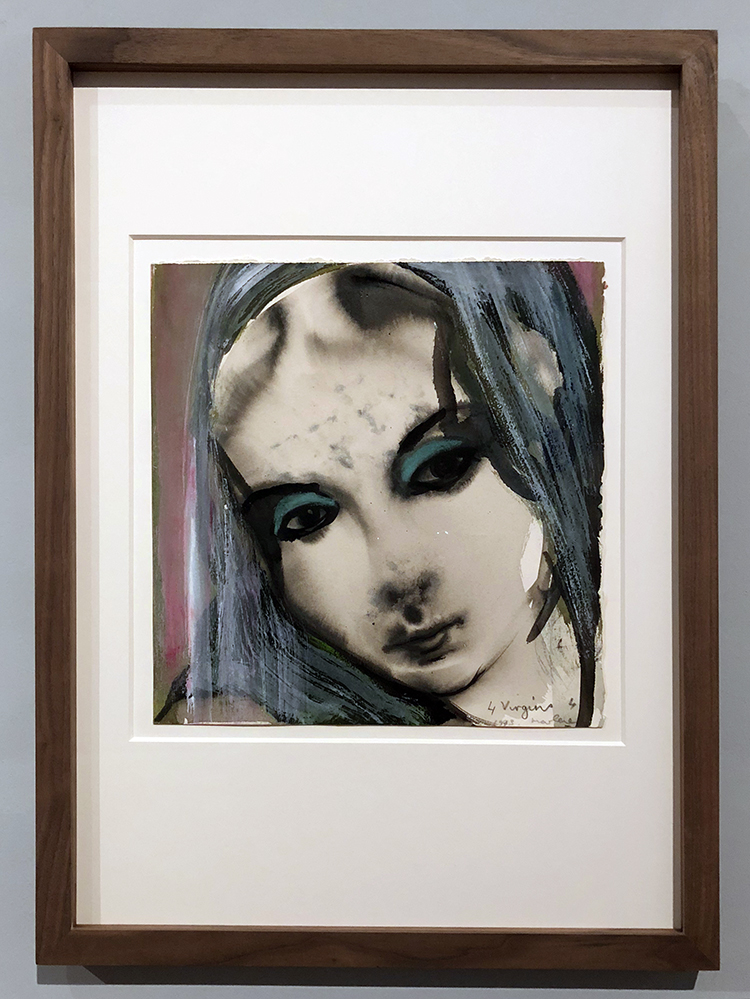
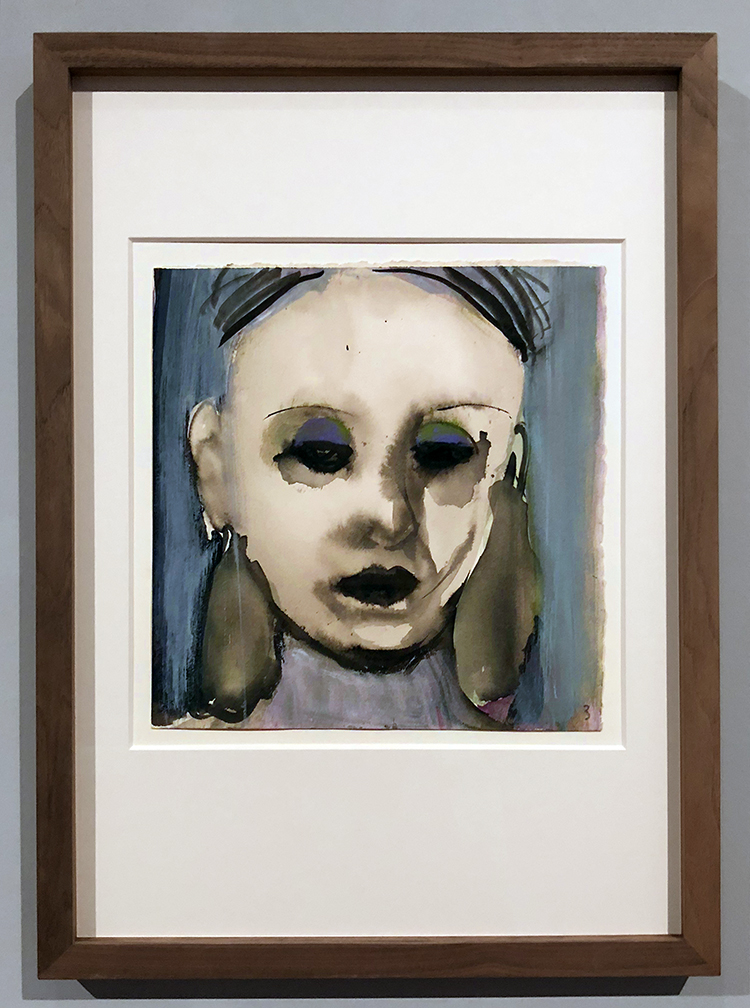
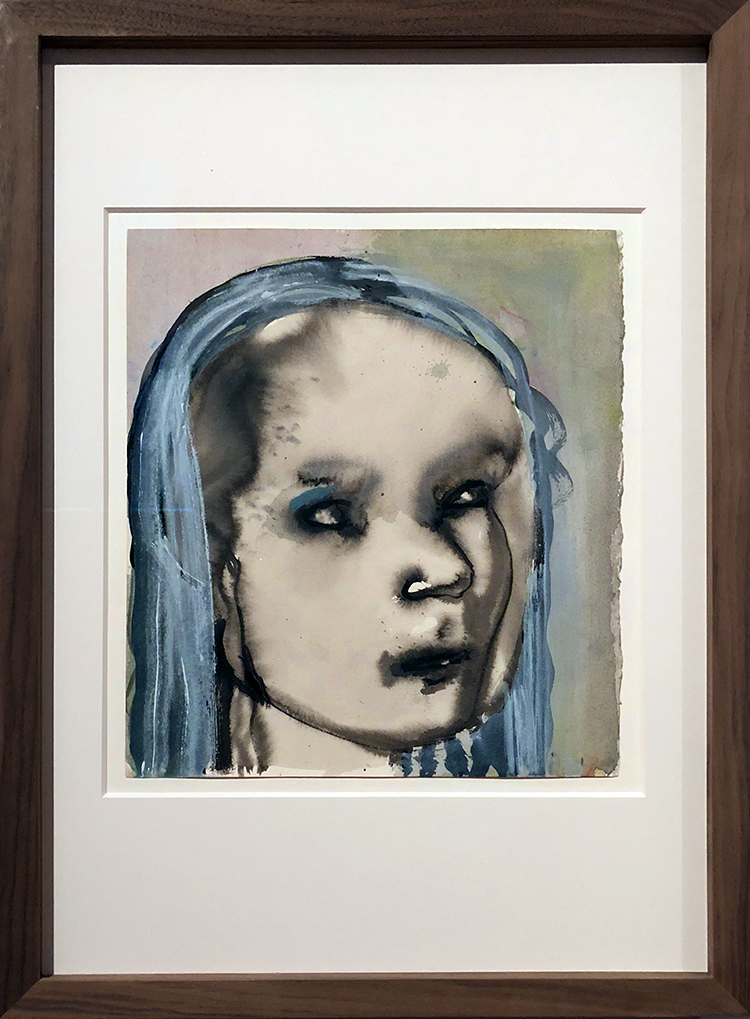
Four Virigitns (1-4), Marlene Dumas, 1993- gouache, indian ink

No identification is given for the four women portrayed here by Marlene Dumas. Can they be recognized as famous models, or are the randomly photographed women? That they are virgins is emphatically indicated in the title. Whether this definition applies solely to the women’s virginal stat or refers to their virtuousness is left up to the beholder by Dumas.
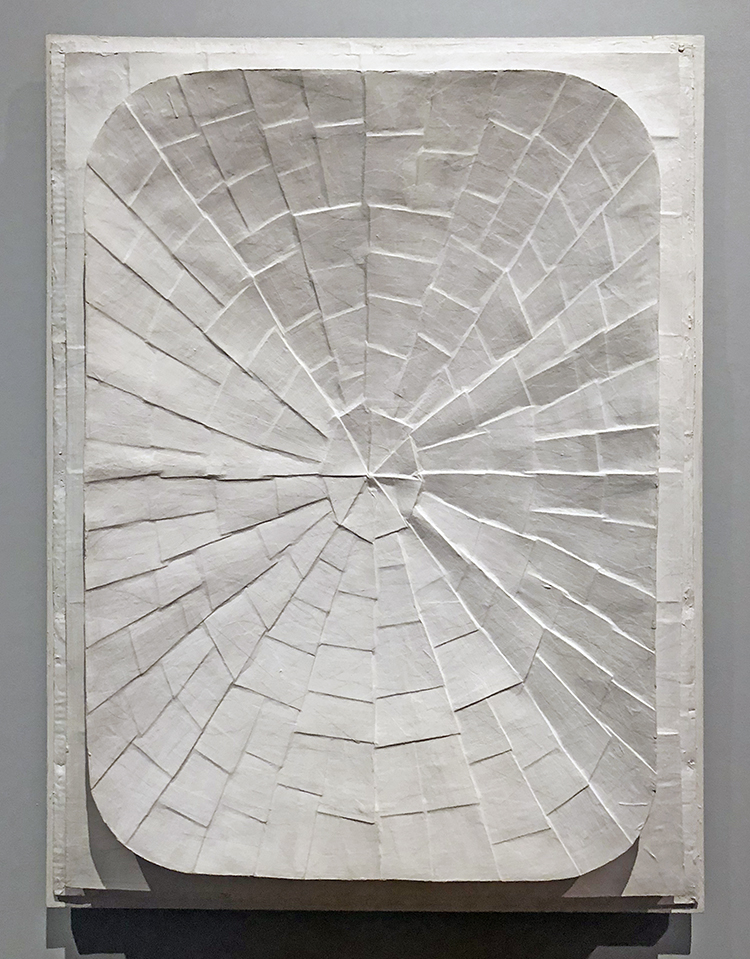
Dish Relief, Jan Schoonhooven, paper, cardboard, paint, wood

Like his 17th-century predecessor and fellow Delft artist Johannes Vermeer, Jan Schoonhoven was fascinated by light. His brilliant white reliefs are composed of a few basic forms, whose irregular surfaces make light visible. Here Schoonhoven pasted pieces of cardboard on top of each other to create a design of light and dark lines, which resembles light playing through a cobweb.
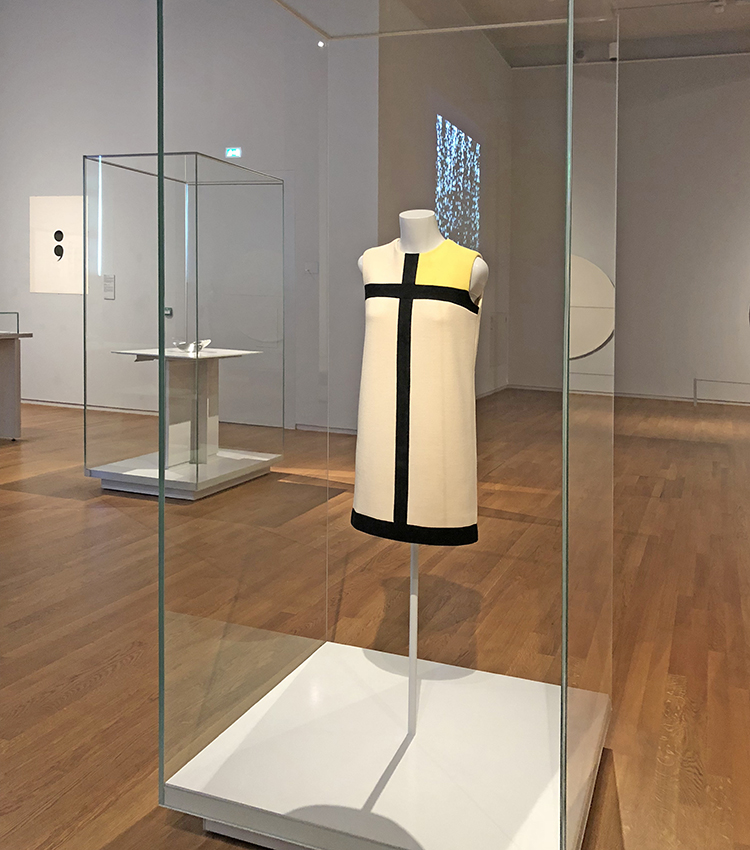
Mondrian Dress, Yves Saint Laurent, 1963, wool, silk lining

The abstract geometric visual language of De Stijl in the 1920s inspired a new generation of artists forty years later. The French couturier Yves Saint Laurent won international success with dresses inspired by the paintings of Piet Mondrian. This is the most elementary model of the six variants presented by Yves Saint Laurent in 1965.
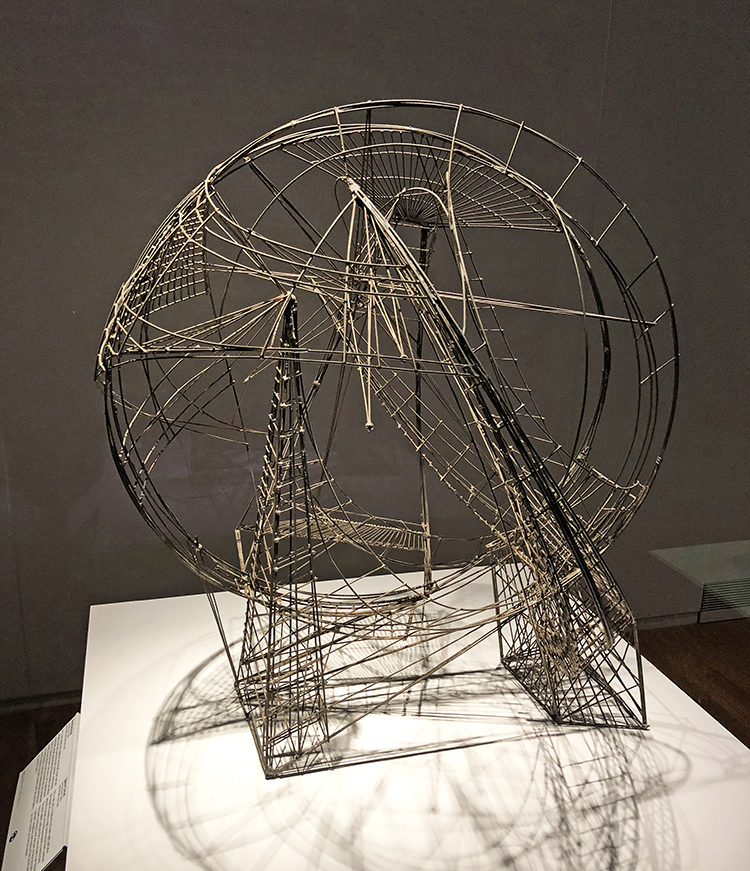
Space Circus, Constant, 1956 – 1961, soldred wire

This is not just a sculpture in its own right, but also the model of a meters-high construction that Constant wished to install on the Museumplein in Amsterdam. The small ladders indicate that it was meant to be climbed. This giant climbing frame was part of New Babylon, Constant’s imaginary metropolis of the future populated by homo ludens, or man the player.
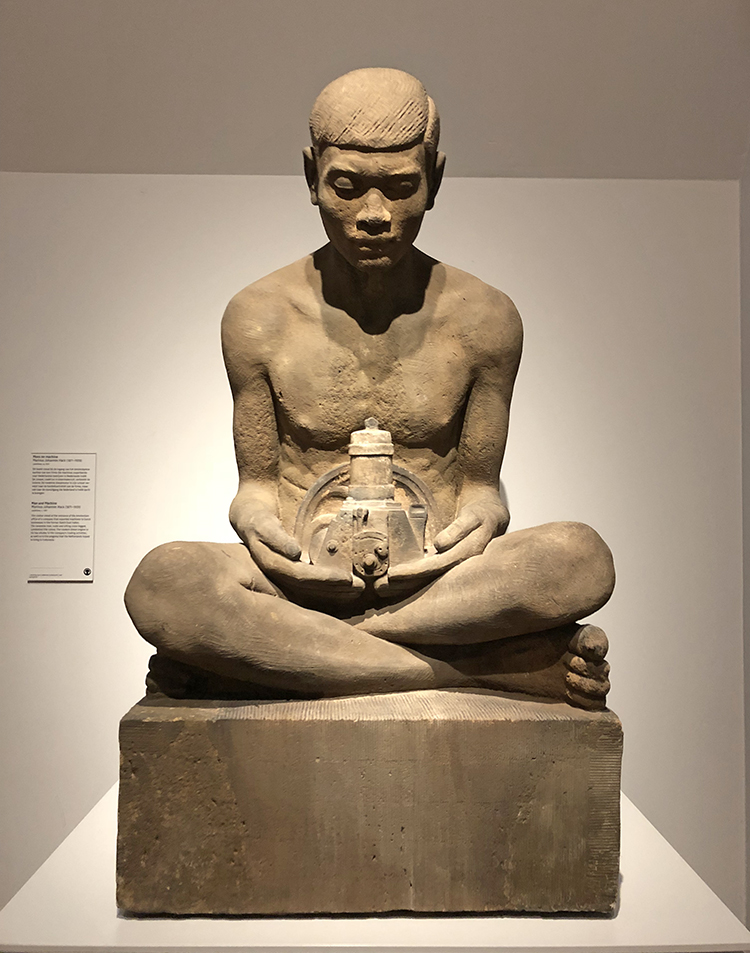
Man and Machine, Marinus Johannes Hack, c. 1913, sandstone

This statue stood at the entrance of the Amsterdam office of a company that exported machines to Dutch businesses in the former Dutch East Indies. The Javanese man, nude and sitting cross-legged, symbolizes the colony. The modern diesel engine in his lap alludes to the company’s trading activities, as well as to the progress that the Netherlands hoped to bring to Indonesia.

….mhhhh….
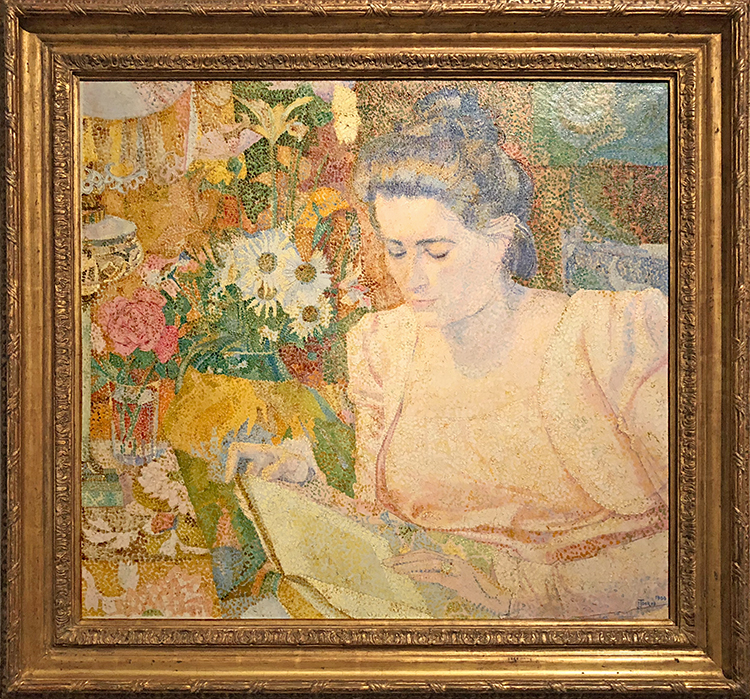
Portrait of Marie Jeanette de Lange, Jan Toorop, 1900, oil on canvas

Marie Jeanette de Lange chaired the Vereeniging voor Verbetering van Vrouwenkleding (Association for the Improvement of Women’s Clothing), which championed hygienic, loose-fitting, natural clothing that allowed women greater freedom of movement. In February 1900 she posed at home, dressed comfortably, for Jan Toorop. Using tiny dots of colourful paint, he created a sparkling portrait of a modern woman on the threshold of a new century.
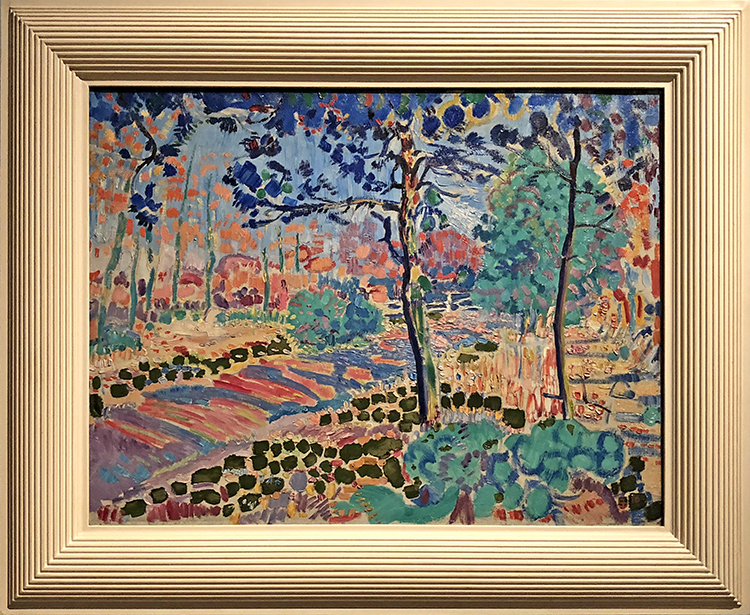
Road through the Woods, Jan Sluijters, 1910, oil on canvas
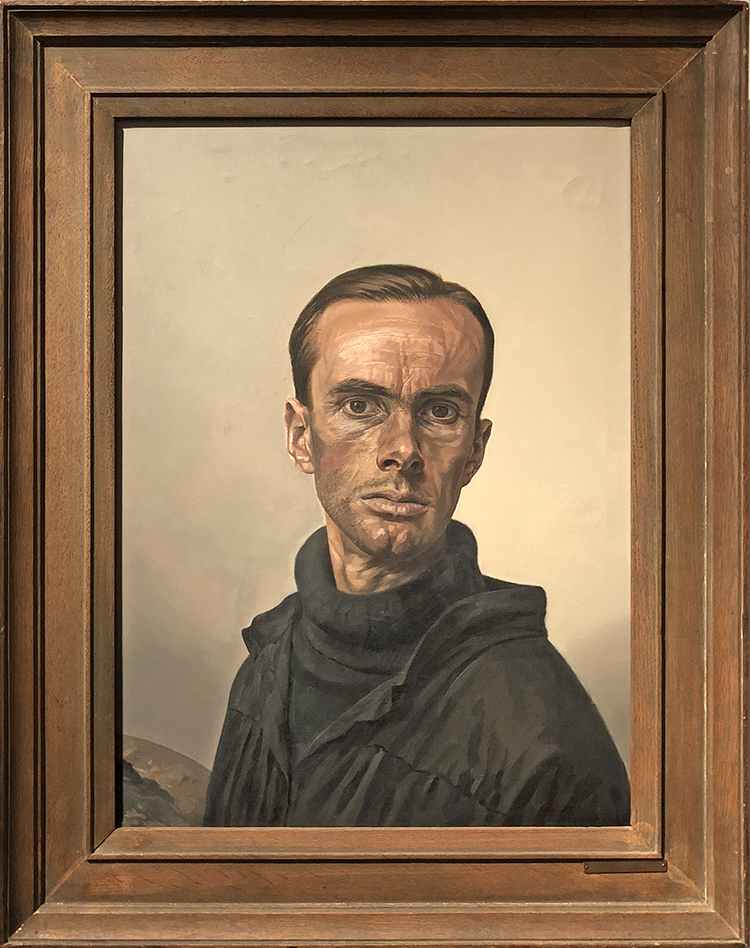
Self Portrait, Edgar Fernhout, 1945, oil on canvas

Edgar Fernhout often painted himself by way of practice, coolly and objectively as though he  were an object. However this is not the case of this self portrait done in the last year of the Second world War; Five years of German occupation and a famine, the so called Hunger Winter 44-45, show in his gaze and gaunt face. After the war he abandoned realism and painted mostly abstract landscapes.
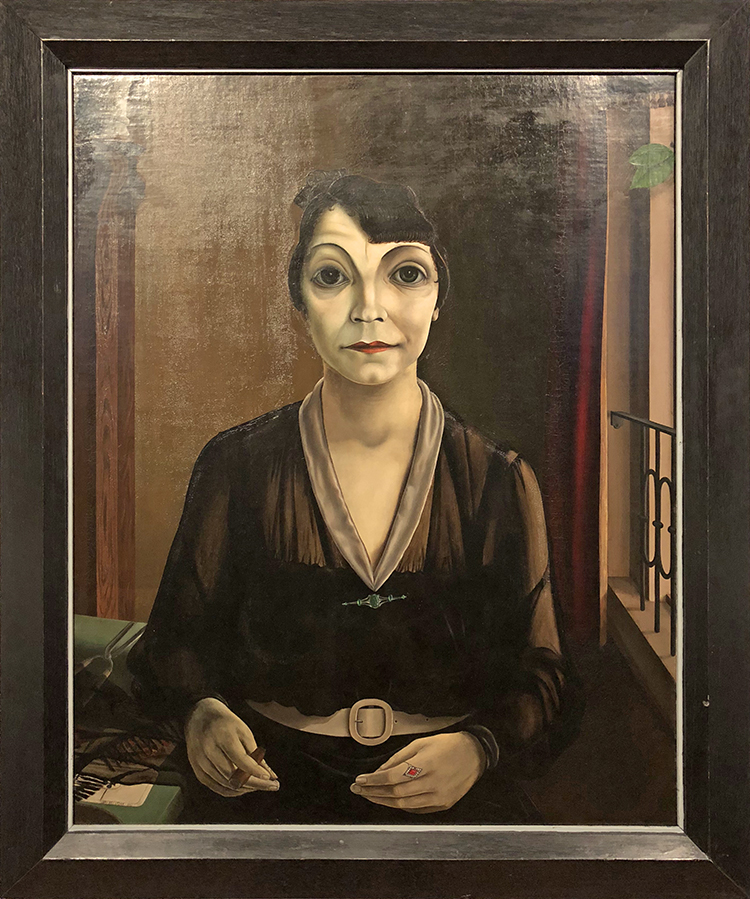
Mercedes de Barcelona, Pyke Koch, 1930, oil on canvas

the playing cards in this picture suggest that this woman is a fortune teller. Her large unreal eyes, too, seem to suggest some mysterious fate. In 1930-31 Koch painted three women of “questionable virtue”; in addition to the fortune teller, he portrayed a street girl and a fairground woman. He gave all three the facial features of the Danish film star Asta Nielsen, whom he so admired, with a broad mouth and high arched eyebrows.
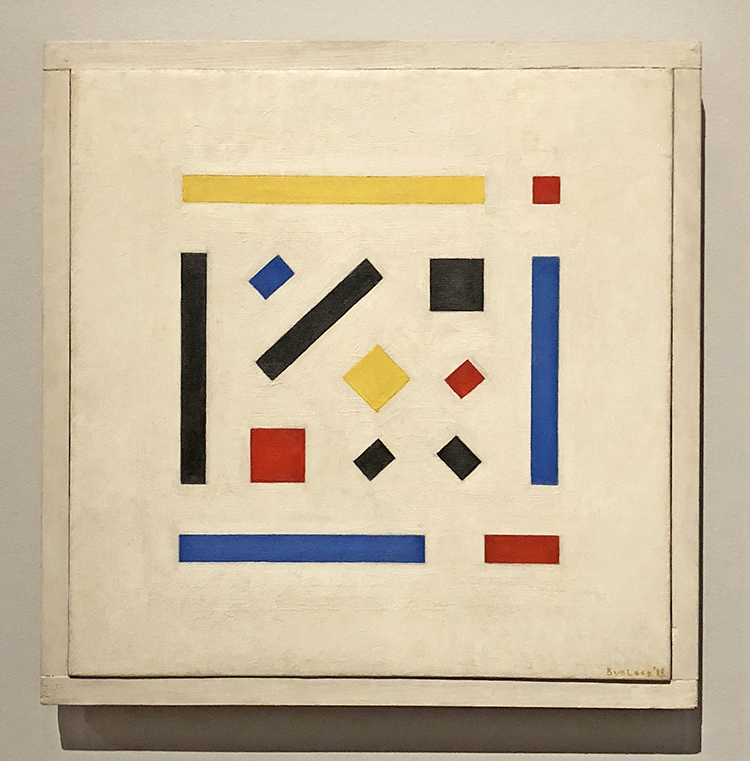
Composition, Bart van der Leck, 1918, oil on canvas

Bart van der Leck, one of the first artists to become involved with De Stijl magazine, limited his palette to primary colours – red, yellow and blue – along with neutral white, black and grey. He always took a recognisable design as his starting point, reducing this to a Composition of pure, geometrical forms. He described what he tried to achieve as ‘monumental clarity
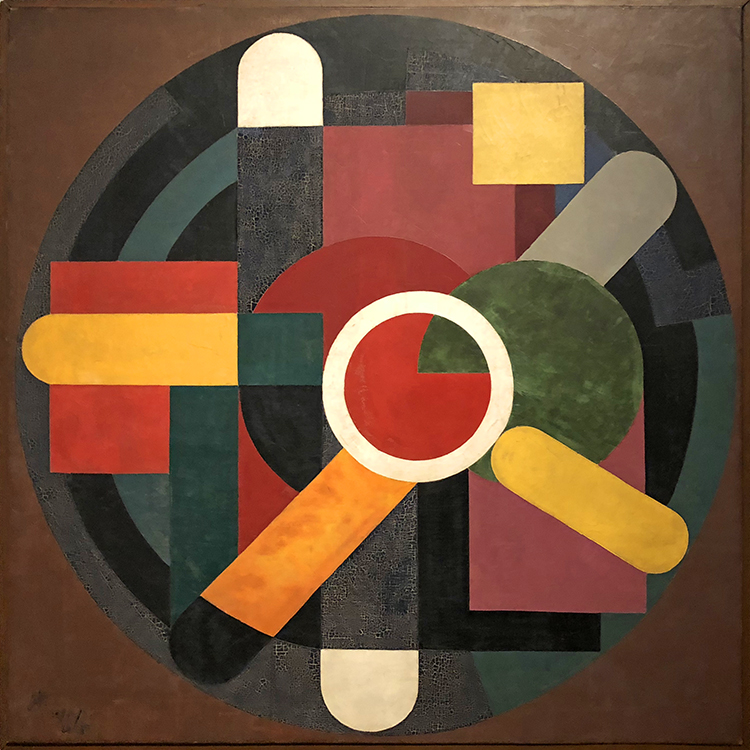
Composition, Jozef Peeters, 1921, oil on canvas

As editor of the cultural magazine Het Overzicht Jozef Peters maintained  close contact with other pioneers of Abstract art, such as the Dutch artists affiliated with De Stijl journal as well as up-and-coming talents including Carel Willink. Although Peeters championed pure Abstract art divorced from reality, his daughter later wrote that the Paris Underground was the inspiration for this Composition
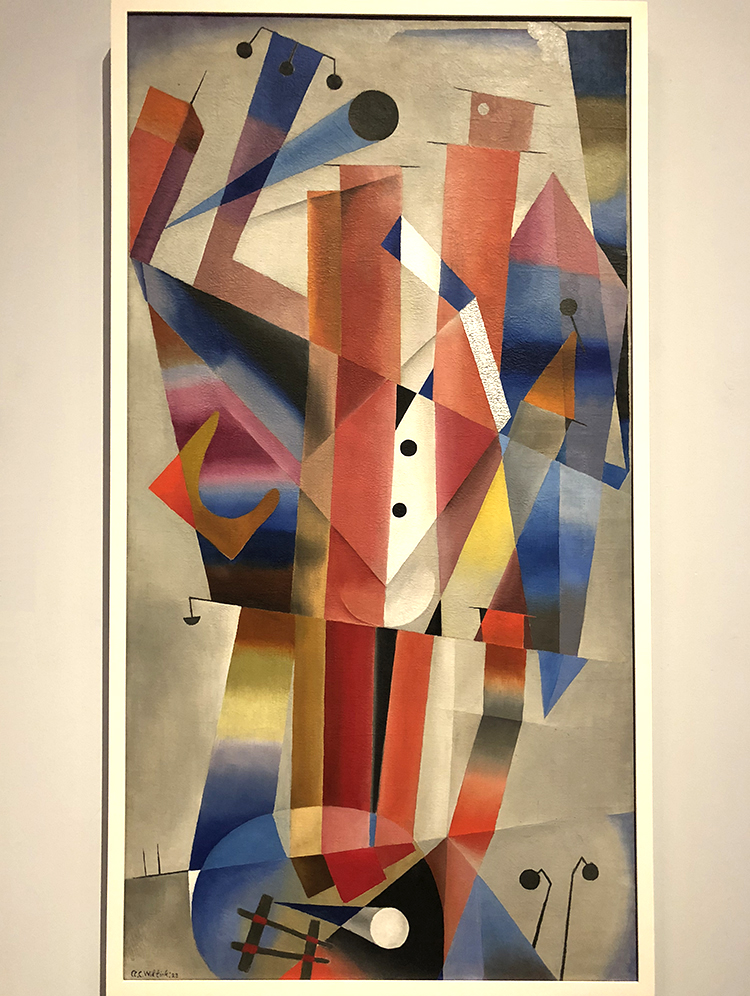
Composition Liebe (Love) Carel Willink, 1923, oil on canvas

In Berlin of the 1920s the disillusionment of a lost war (1914-1918) was drowned in drink, lust, and love. However, art and culture also flourished as never before. In this melting pot the young art student Carel Willink soaked up the influences of Italian Futurists, Russian Constructivists, French Cubists and German Dadaists like a sponge. All of these styles reverberate in this painting, in which figures merge in the lamplight of the metropolis.
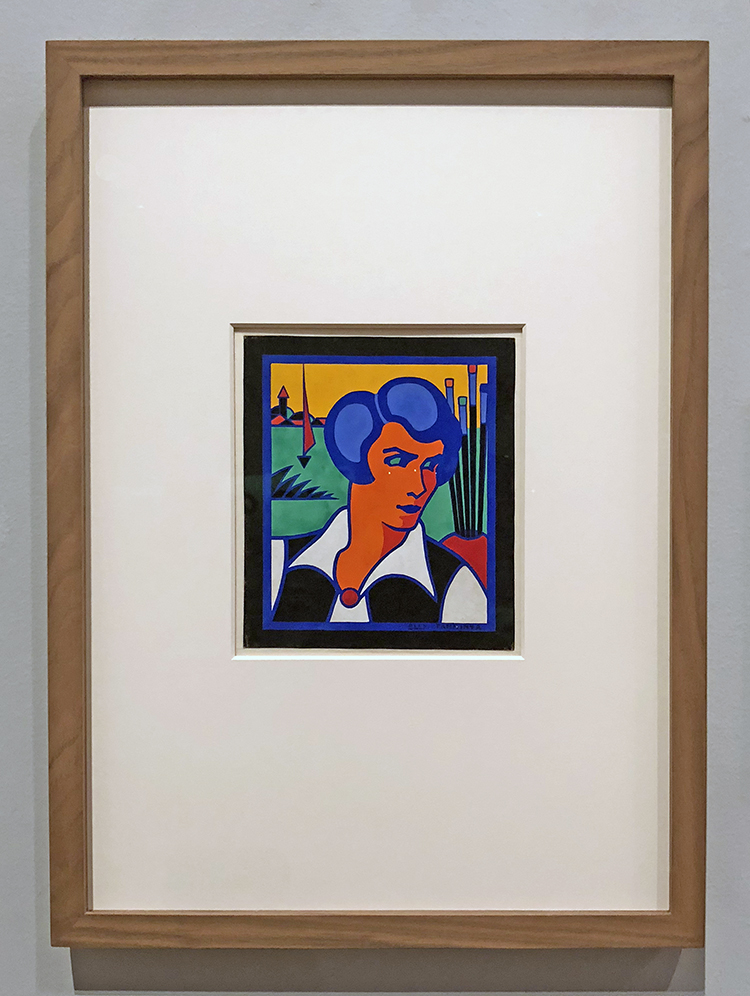
Self Portrait , Elly Tamminga, ca. 1920-55

Elly Tamminga peers at the subject she is painting outside the picture plane. The paintbrushes in the vase are her tools. The sailing boat of the silhouetted village with a church tower on the embankment behind her are small and therefore farther away in the distance. Atmospheric perspective is avoided, however and volume is suggested only by the two shades of red in her face and blue in her hair.

It was a really interesting art stroll through Modern Art – and I loved getting introduced to some new to me but well known Dutch Artists as well. Hope you enjoyed this Art Stroll as well :)


And if you missed my Summer Sizzler sale, don’t worry you can still save $$ on my stencils over at the big Mary Beth Birthday sale at StencilGirl! Use the coupon code MBS14 to save 14% off, now through July 8th at 11:59pm CST.
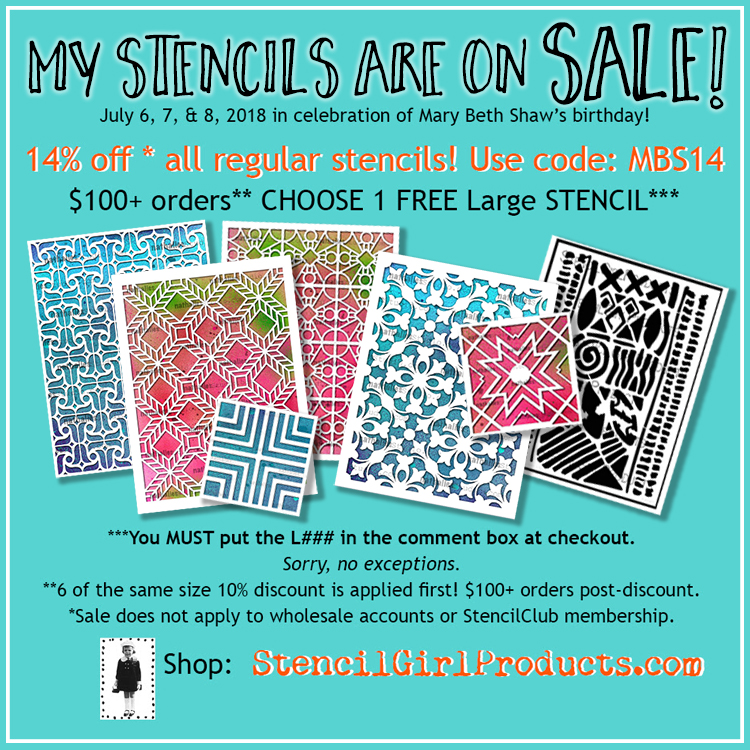
Receive 14% OFF all my StencilGirl stencil designs HERE!
Use code:  MBS14
$100+ orders** CHOOSE 1 FREE Large STENCIL***
***You MUST put the L### in the comment box at checkout. Sorry, no exceptions.
**6 of the same size 10% discount is applied first! $100+ orders post-discount.
*Sale does not apply to wholesale accounts or StencilClub membership.
The stencil sale begins July 6th and ends July 8th at 11:59 p.m. CST

SaveSave

Comments (1)

  • Janene

    |

    There are so many things to comment on:

    The Yves St. Laurent dress: I wish it was hanging in my closet. It’s still classically beautiful even though it’s 55 years old.
    The Elly Tamminga work: love the colors and the strength she exudes.
    The “Portrait of Marie Jeanette de Lange” by Jan Toorop: all those tiny dots! I wonder if there’s an underpainting to help guide the color placement. I’m in awe.
    The “Man and Machine” sculpture: I’m not sure I would interpret it as “modern diesel engine in his lap alludes to the company’s trading activities”. I think it says something else entirely.
    And there are no words for the brilliant placement of the nails in “Standing Figure” by Karel Appel.

    Thanks for the amazing virtual visit to the Rijksmuseum.

    Reply

Leave a comment
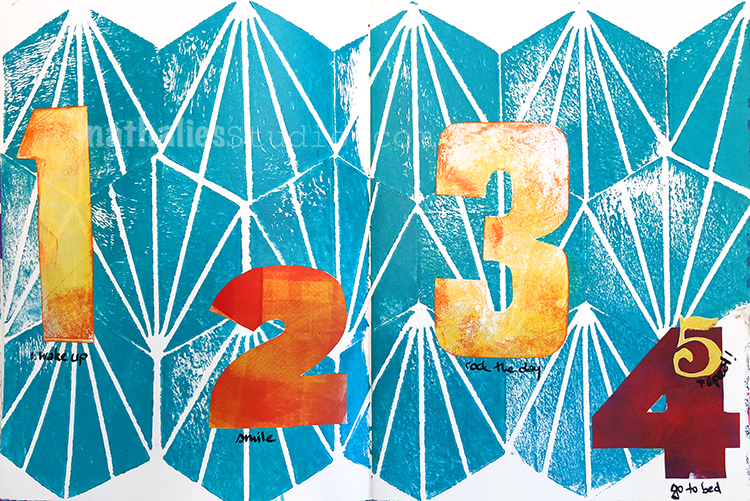
1,2,3,4,5 – Art Journal

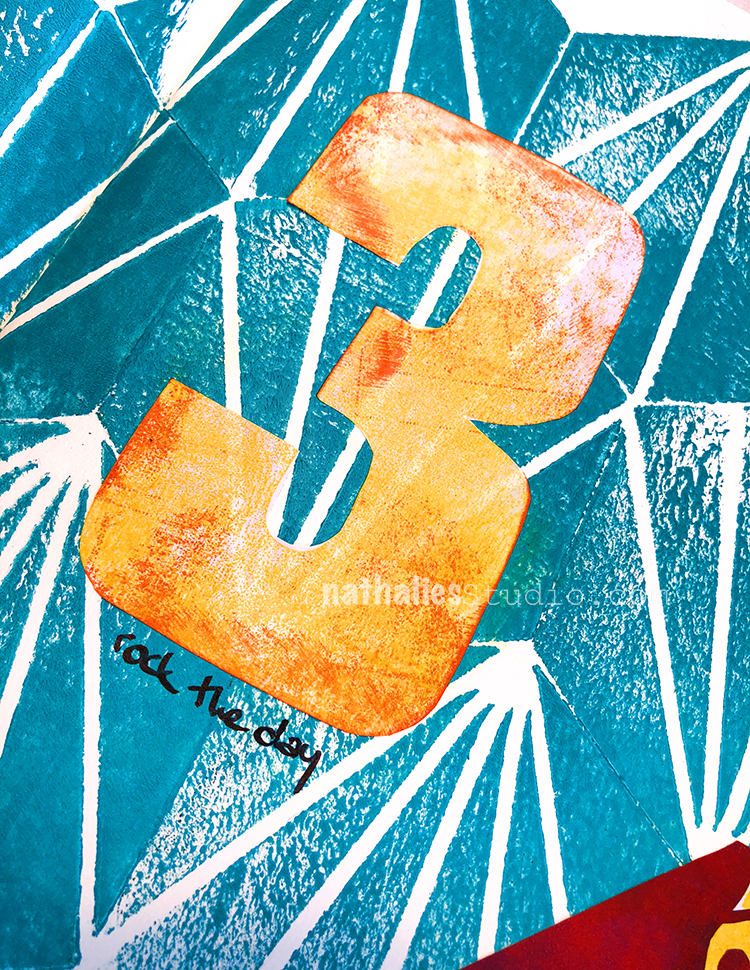
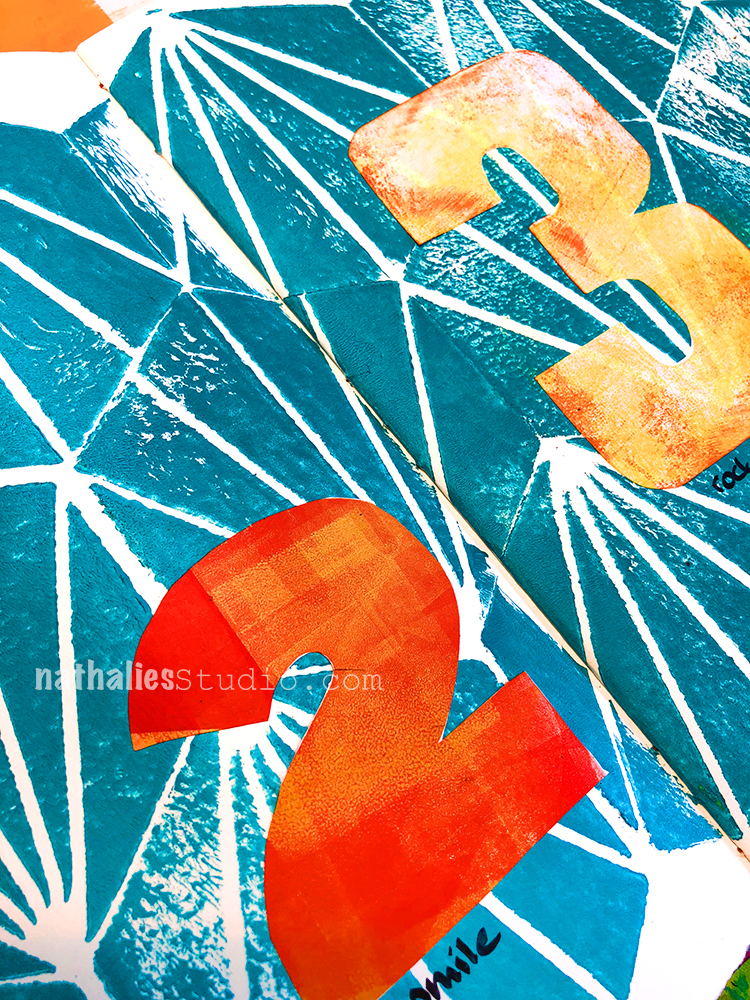
I wanted to share this art journal spread I created using my new Clam Hex Foam Stamp in detail. I stamped the alternating the direction up and down in every row. I just love how versatile this stamp is and how many different patterns you can create with it.
For the numbers I used my letterpress wood stamps and inked them up with different ink, then rubbed a piece of paper on it, cut it out and pasted it with gel medium into the art journal.

That was fun – now repeat tomorrow ;)

Here are some of the supplies that I used


Comments (2)

  • Janene

    |

    When I saw this work, I started singing the Beatles’ song “All Together Now”. Now it’s stuck in my head and maybe it will stick in your head, too. :-)

    One, two, three, four
    Can I have a little more?
    Five, six, seven, eight, nine, ten, I love you

    A, B, C, D
    Can I bring my friend to tea?
    E, F, G, H, I, J, I love you …

    Reply

    • nathalie-kalbach

      |

      Hahaha- def. in my head now- LOL: Thanks Janene for the Ohrwurm (Earworm) as we call stuck in the head of a song phenomena in Germany.

      Reply

Leave a comment

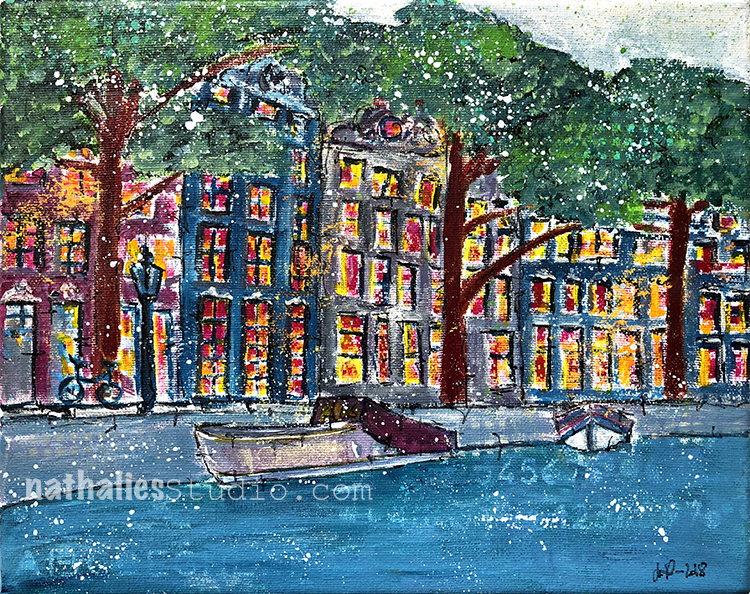
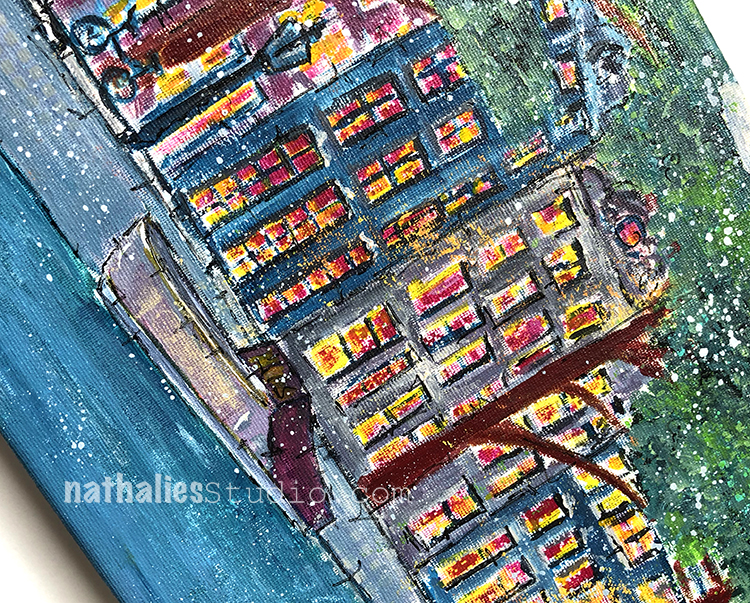
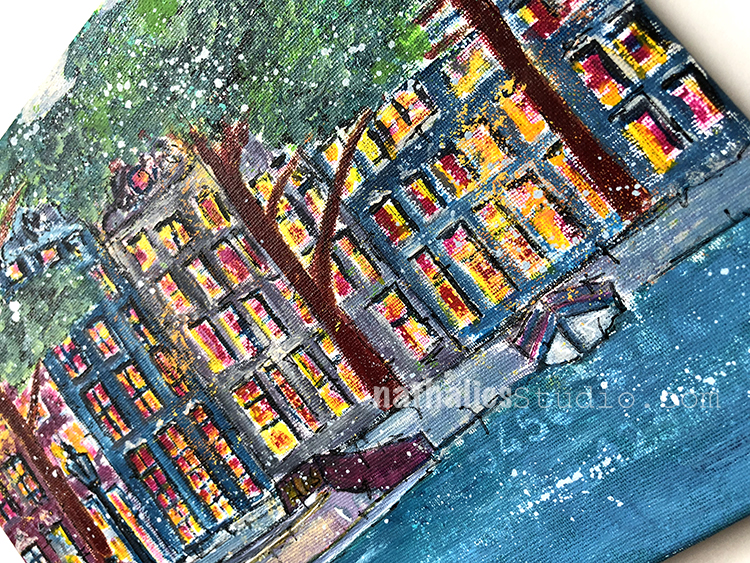
Rondvaart – Painting

This is a small painting I made after I came back from a trip to Amsterdam.

After a canal boat tour I knew I wanted to capture the scenery.

The painting measures 10″x8″ created with acrylic paint, ink, marker and spraypaint on canvas and …it would love to find a new loving home :)

Also :) Don’t forget:

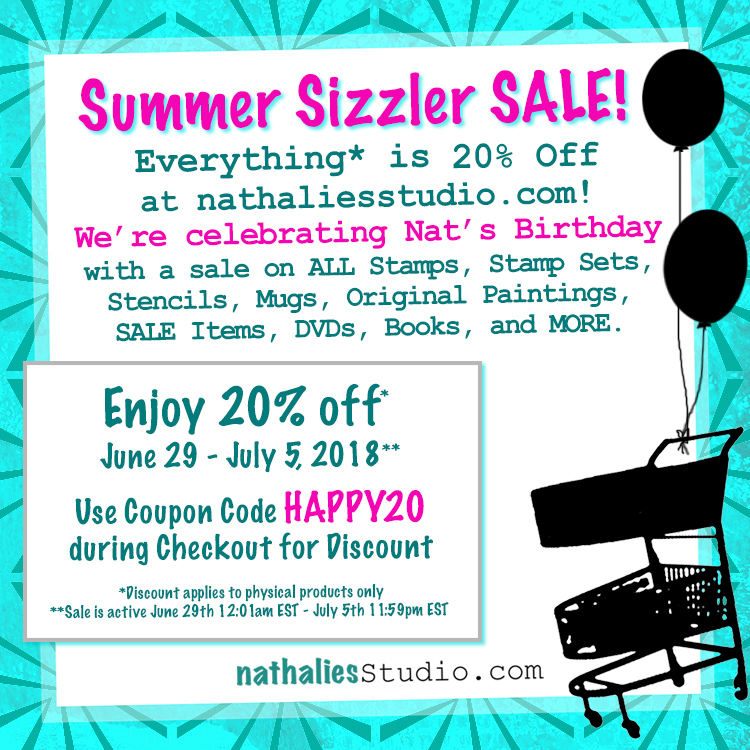
Today is the last day of our huge Summer Sizzler Birthday July 4th Happy Summer SALE! (Yep I’m celebrating a lot of stuff lol) Just use the coupon code HAPPY20 when you check out to save 20% off ALL physical products in nathaliesstudio.com/shop including rubber stamp sets, NEW ArtFoamies stamps, stencils, my book, my original paintings and prints, mugs with my artwork on them and lots more  The sale ends July 5th and quantities are limited so stop in today.

Leave a comment